

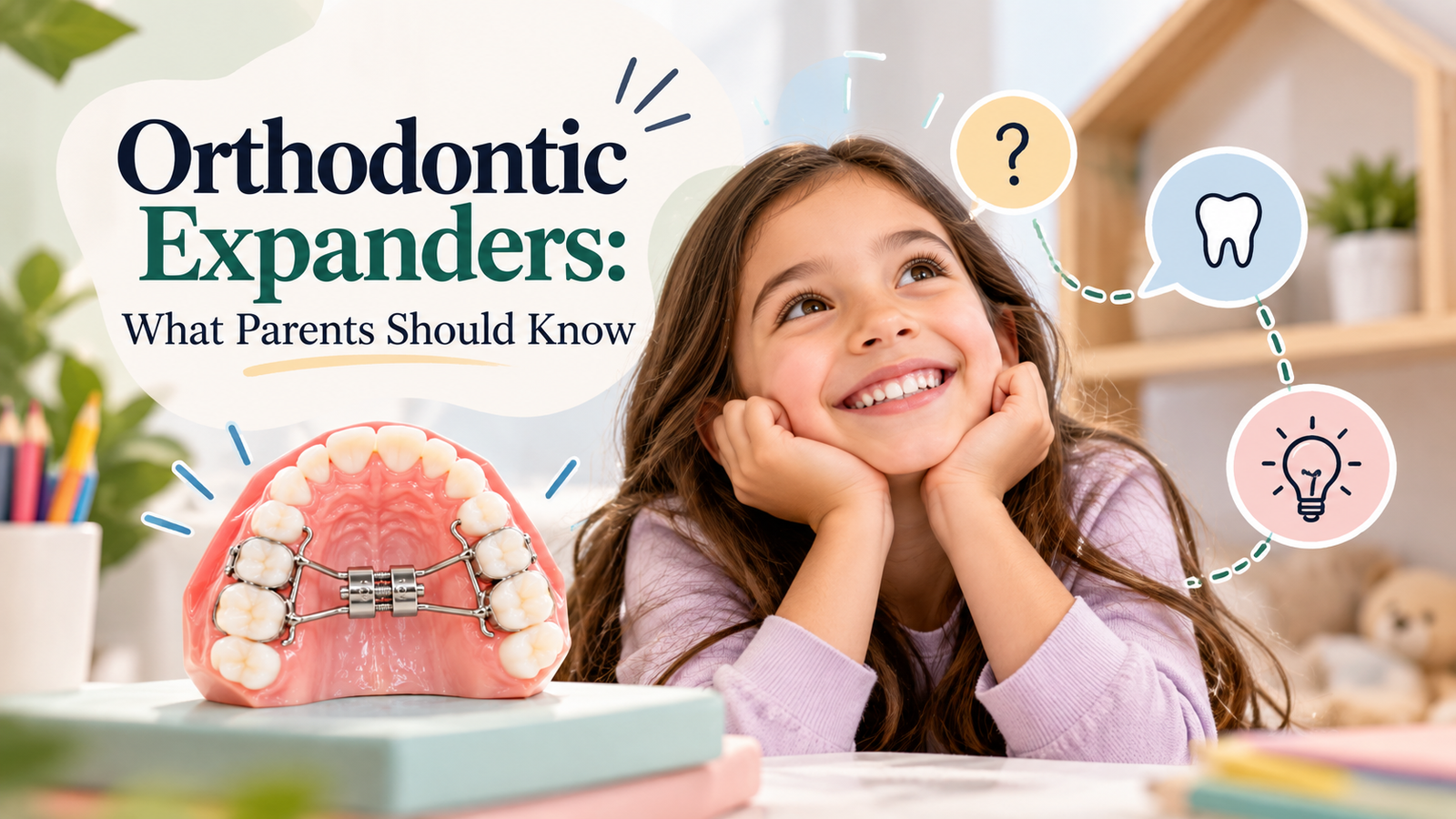
Parents may hear the term “orthodontic expander” during a dental or orthodontic assessment, particularly when a child’s teeth and jaws are still developing. An expander is an orthodontic appliance that may be considered in certain situations to influence the width or form of the upper dental arch and, depending on the appliance and stage of growth, the underlying structures.
However, expanders are not necessary for every child with crowded teeth or a narrow-looking smile. Whether an appliance is appropriate depends on the child’s bite, dental development, growth, available space, and other clinical findings.
Understanding what expanders are and why they may be considered can help parents have informed discussions with their child’s dental professional.
1. What Is an Orthodontic Expander?
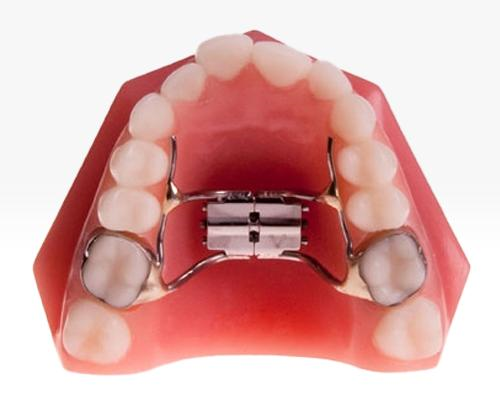
An orthodontic expander is an appliance designed to create changes in the width or shape of a dental arch. Expanders are most commonly associated with the upper arch, although different appliances are available for different clinical situations.
Some expanders are attached to the teeth, while others may be removable. Their designs and intended effects can also differ.
An expander may be considered when a dental professional identifies concerns involving:
-
- The width of the upper dental arch
-
- Certain crossbite relationships
-
- Available space for developing teeth
-
- The relationship between the upper and lower dental arches
-
- Specific tooth and jaw development patterns
Simply having crowded teeth does not mean that a child needs an expander. The underlying reason for the crowding or bite relationship needs to be assessed first.
2. Why Might an Expander Be Considered?
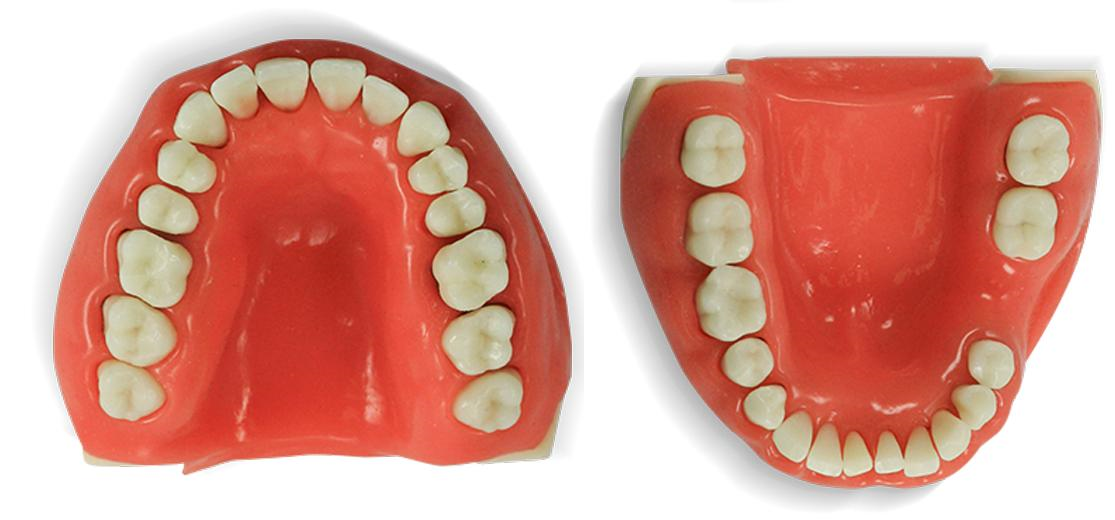
The upper and lower teeth need to fit together as part of an overall bite relationship. In some children, the upper dental arch may be relatively narrow in relation to the lower arch or other aspects of the developing bite may warrant assessment.
Depending on the individual findings, expansion may be considered as part of managing:
-
- Certain posterior crossbites
-
- A relatively narrow upper dental arch
-
- Specific space concerns
-
- Particular developing bite relationships
The presence of one of these findings does not automatically mean expansion is required.
A dental professional considers the child’s age, stage of growth, tooth eruption, jaw relationships and overall oral health before determining whether monitoring, expansion, another approach, or referral may be appropriate.
3. Why Does a Child’s Age and Growth Matter?
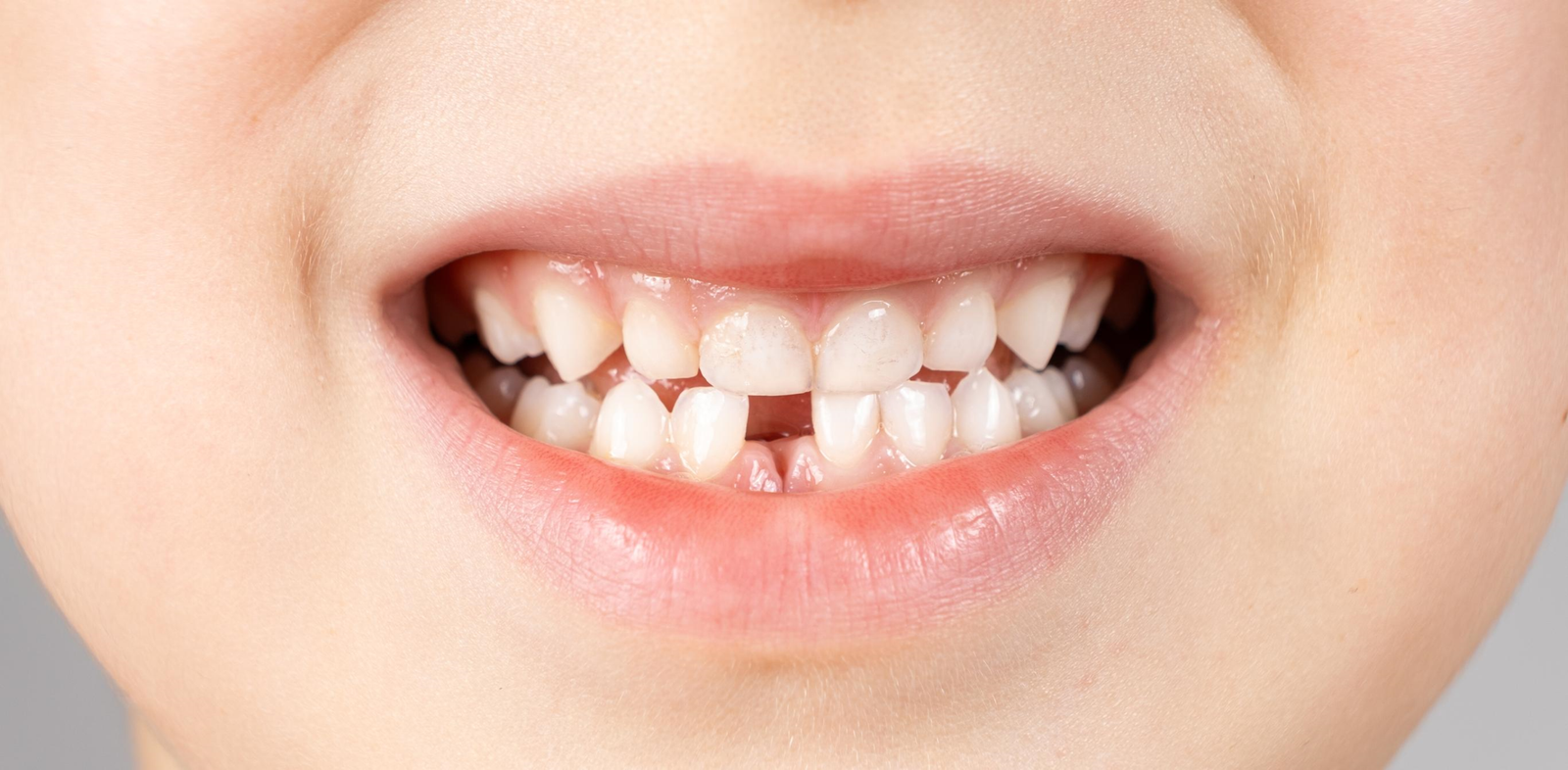
Children’s teeth and jaws continue to develop throughout childhood and adolescence. The response to some orthodontic approaches can therefore differ depending on the child’s stage of dental and skeletal development.
A dentist may consider:
-
- Which baby teeth are still present
-
- Which permanent teeth have emerged
-
- The position of developing permanent teeth
-
- The child’s bite
-
- Jaw and facial growth
-
- Changes observed during previous examinations
Chronological age alone does not determine whether an expander is appropriate.
Two children of the same age may be at different stages of dental development, which is why treatment timing needs to be based on individual clinical findings.
4. What Does Wearing an Expander Feel Like?
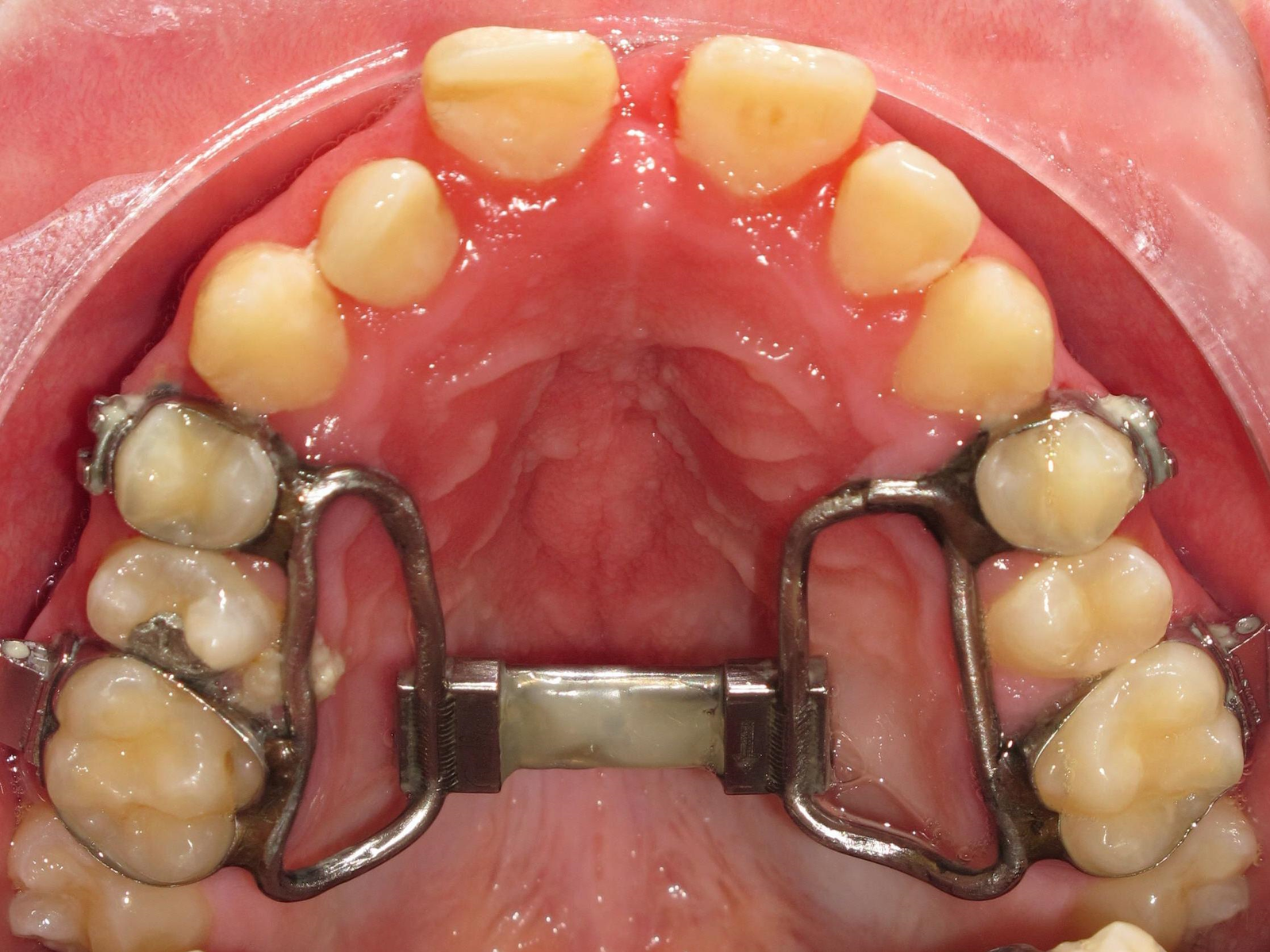
Adjusting to an orthodontic appliance can take some time.
Depending on the type of expander, a child may initially notice:
-
- A feeling of pressure
-
- Temporary tenderness
-
- Increased saliva
-
- Changes in speech
-
- A different sensation while chewing
-
- Food collecting around parts of the appliance
These experiences vary from person to person and may change as the child becomes accustomed to the appliance.
Parents should follow the specific instructions provided by the treating dental professional. Significant pain, a loose or damaged appliance, persistent irritation, or other unexpected symptoms should be reported to the dental office.
5. How Do You Keep an Expander Clean?
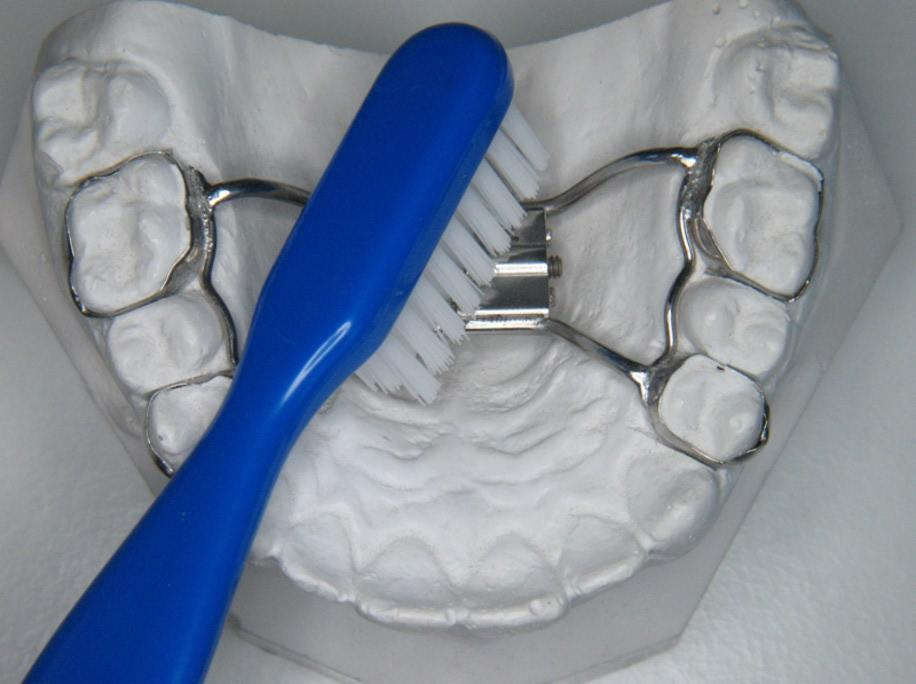
Food and plaque can collect around orthodontic appliances, making daily oral hygiene particularly important.
Depending on the appliance and instructions provided, oral care may include:
-
- Brushing carefully around the appliance
-
- Cleaning along the gumline
-
- Removing trapped food after meals
-
- Following any appliance-specific cleaning instructions
-
- Continuing regular dental examinations and preventive care
Parents may need to help younger children inspect difficult-to-see areas and make sure the appliance is being cleaned properly.
The exact cleaning technique can vary according to the appliance, so families should follow the instructions provided by their dental professional.
6. How Is Expansion Monitored?
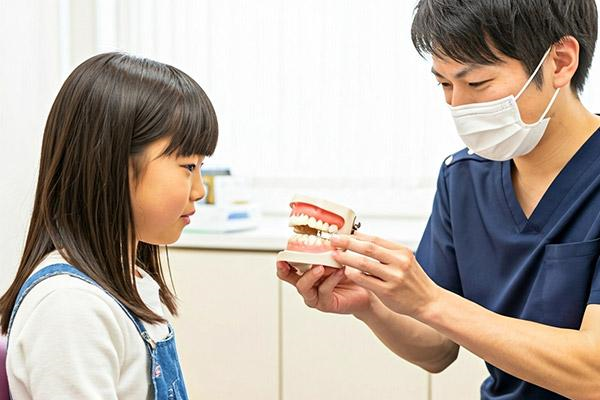
Orthodontic expansion requires professional monitoring. During follow-up appointments, the dental professional may evaluate:
-
- Changes in the dental arch
-
- How the upper and lower teeth fit together
-
- Tooth position
-
- The condition and stability of the appliance
-
- Gum and oral tissue health
-
- Oral hygiene around the appliance
-
- The child’s comfort and adaptation
Depending on the situation, photographs, dental models, digital scans or other appropriate diagnostic records may also be used to document changes.
Parents should not change the prescribed adjustment schedule or make additional adjustments without professional direction.
7. Does an Expander Replace Braces or Aligners?
An expander and braces or clear aligners serve different purposes, although they may sometimes be used within the same overall treatment plan.
Expansion primarily addresses particular dental-arch or bite relationships. Braces and aligners are generally used to control the position and movement of individual teeth.
After expansion, some patients may require additional orthodontic treatment, while others may have different needs depending on their individual situation.
Using an expander therefore does not guarantee that braces or aligners will be unnecessary later.
Likewise, not every child who may eventually need braces requires an expander first.
When Should Parents Consider an Assessment?
Parents may wish to discuss their child’s developing bite with a dental professional if they notice:
-
- Upper teeth appearing to bite inside the lower teeth
-
- Significant crowding or limited space for emerging teeth
-
- Permanent teeth emerging in unexpected positions
-
- An uneven bite
-
- A noticeable shift when the child closes their teeth together
-
- Concerns raised during routine dental examinations
An assessment does not mean that an expander or other orthodontic treatment will necessarily be recommended.
In some situations, monitoring growth and dental development may be appropriate. In others, additional assessment or treatment may be considered.
Final Thoughts
Orthodontic expanders are appliances that may be used in selected situations involving dental-arch width, certain crossbites, space, or developing bite relationships.
They are not a routine requirement for every child with crowded or misaligned teeth. The type of appliance, timing of treatment and expected effects depend on the child’s individual dental and skeletal development and clinical findings.
An in-person examination with a qualified dental professional is necessary to determine whether monitoring, expansion, another treatment approach, or further assessment may be appropriate.
This article is intended for general educational purposes only. Diagnosis and treatment decisions require a clinical examination and individualized advice from a qualified dental professional.
Book Your Consultation with Dr. Ramesh Agrawal
If you’re in Toronto or the GTA and have concerns about your or your child’s teeth alignment, our team is here to help.
Take the first step toward a healthier smile today.
 Call us to book your appointment

