

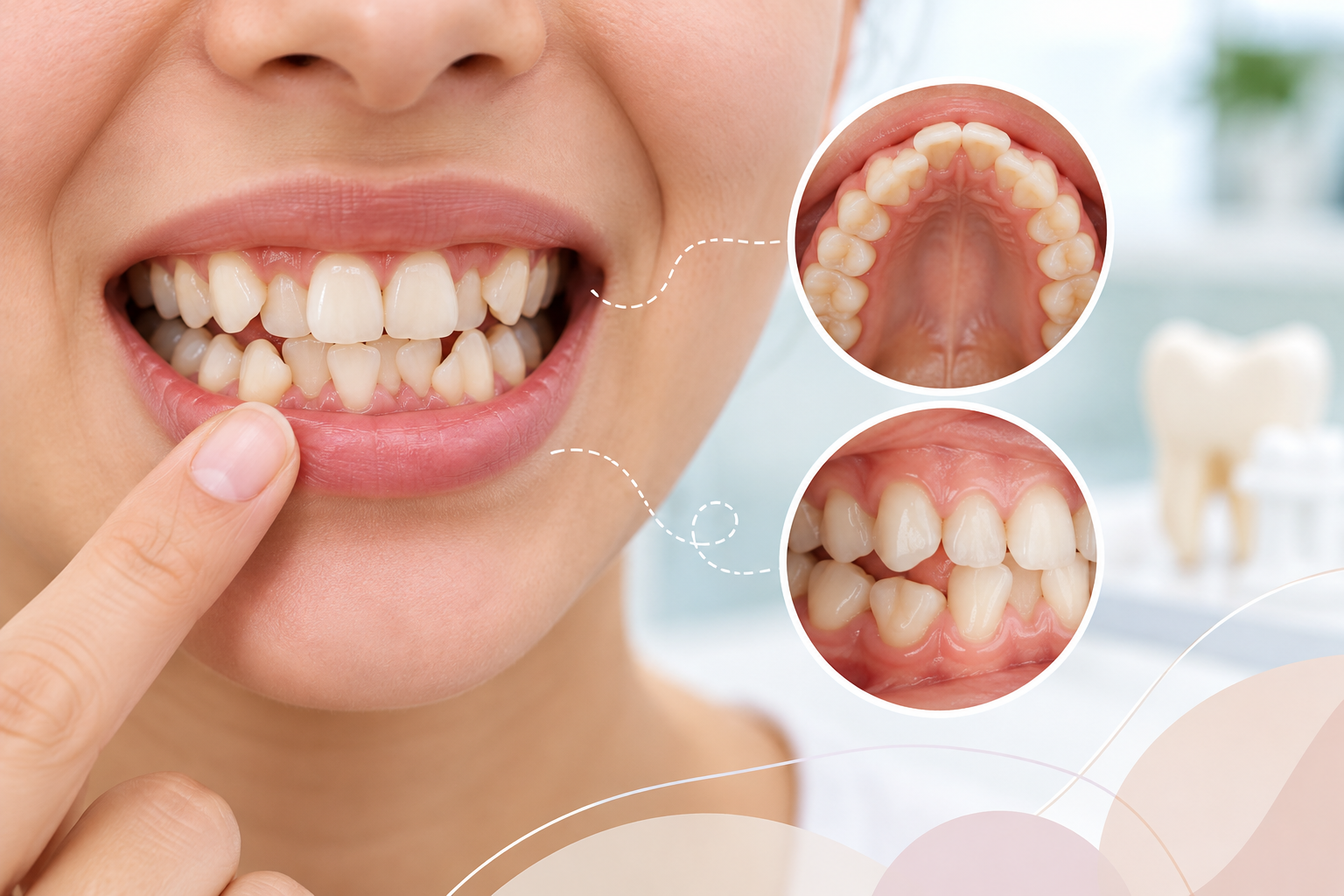
Crowded teeth occur when there is not enough available space for teeth to sit in their expected positions. As a result, teeth may overlap, rotate, or emerge in positions that make the dental arch appear crowded.
Crowding is common and can vary from mild overlapping of a few teeth to more noticeable changes involving several teeth. It can develop during childhood as permanent teeth emerge or become more noticeable later in life.
Crowded teeth do not automatically mean orthodontic treatment is necessary. However, understanding why crowding occurs and how it may affect oral health can help patients and parents know when a professional dental assessment may be useful.
1. What Are Crowded Teeth?
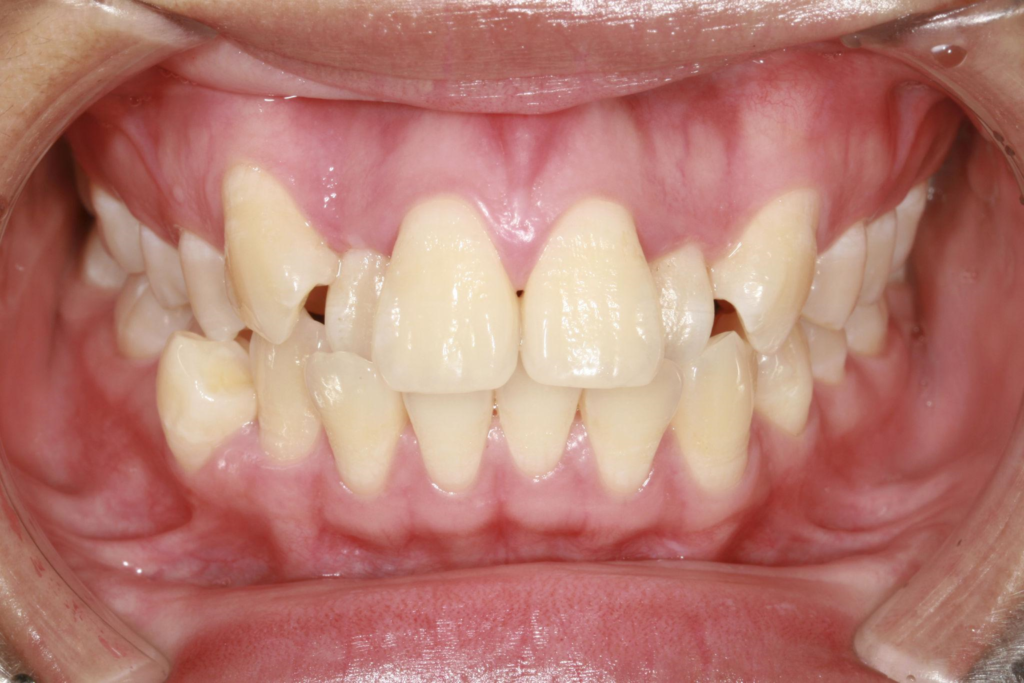
Dental crowding occurs when the available space within the dental arch does not allow the teeth to align in their expected positions.
Crowded teeth may appear:
- Overlapped
- Rotated
- Positioned in front of or behind neighbouring teeth
- Angled differently from surrounding teeth
- Emerging outside the expected dental arch
Crowding can involve only one or two teeth or affect several teeth throughout the mouth.
The appearance of crowding alone does not determine its clinical significance. A dental professional also considers the bite, oral hygiene, gum health, tooth position and available space.
2. Why Do Teeth Become Crowded
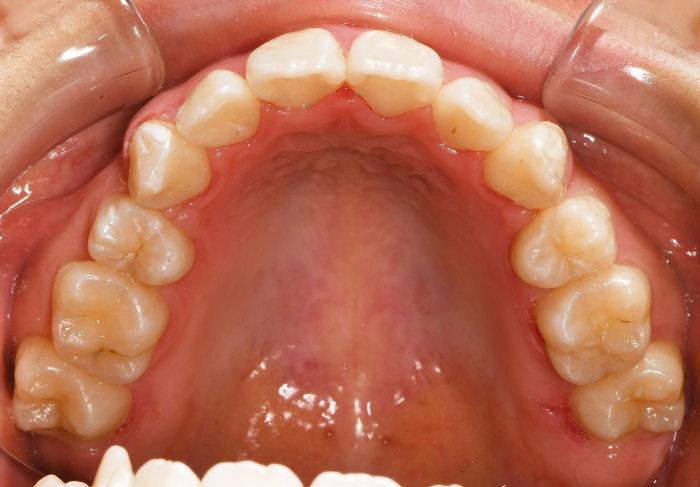
Crowding can develop for several reasons. Often, it reflects a difference between the space available in the dental arch and the space required for the teeth.
Factors that may contribute include:
- Tooth size and shape
- The size and form of the dental arches
- The way permanent teeth emerge
- Individual jaw and facial growth patterns
- Early or delayed loss of certain baby teeth
- Changes in tooth position over time
- Genetic influences on tooth and jaw development
In children, tooth alignment may change considerably while permanent teeth are emerging.
For this reason, apparent crowding during dental development does not necessarily indicate what the final adult tooth alignment will look like or whether treatment will be required.
3. Can Crowded Teeth Make Cleaning More Difficult?
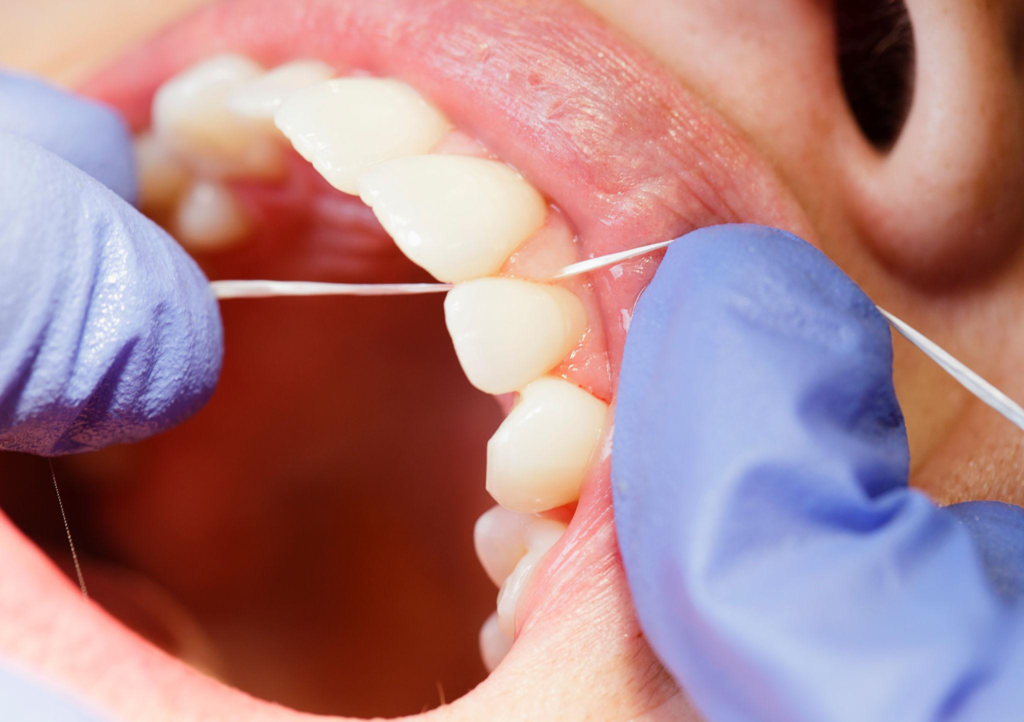
Overlapping or rotated teeth can sometimes create areas that are more difficult to reach with a toothbrush or dental floss.
When plaque remains in difficult-to-clean areas, maintaining good oral hygiene may become more challenging.
Depending on the individual situation, crowded areas may be associated with:
- Plaque accumulation
- Difficulty flossing between certain teeth
- Food becoming trapped between teeth
- Gum inflammation
- Increased risk of tooth decay in areas that are difficult to clean
Crowding itself does not mean that a person will develop these problems. Daily oral hygiene, diet, fluoride exposure and other individual factors also influence dental health.
Regular dental examinations can help identify areas that may require additional attention.
4. Can Crowding Affect the Bite?
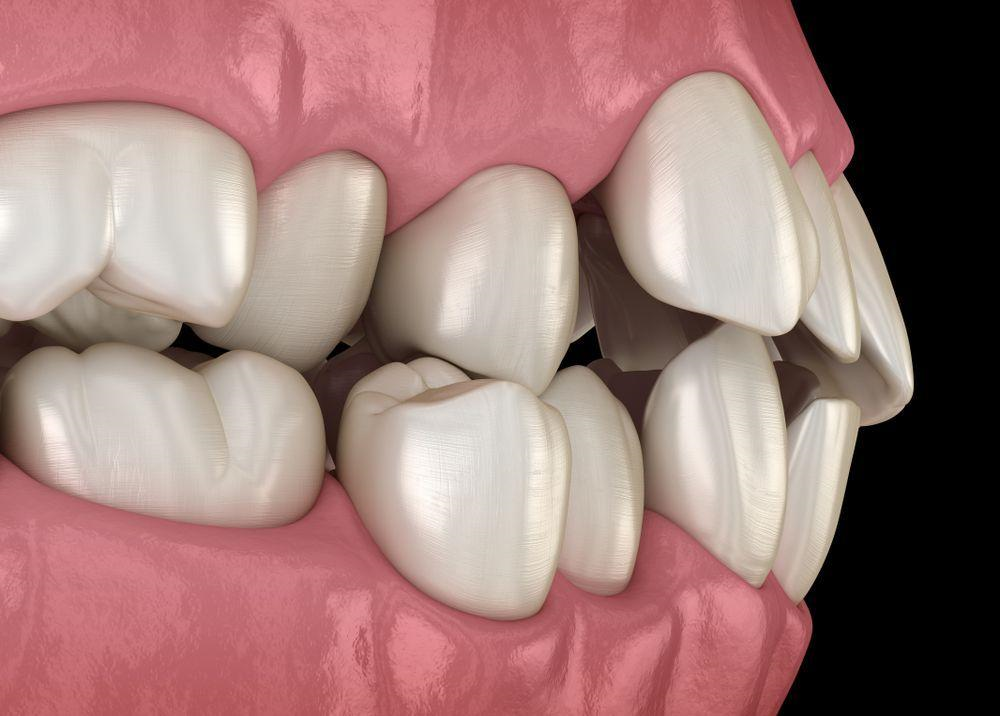
Crowding primarily describes the position of the teeth, but tooth position can sometimes influence the way the upper and lower teeth contact.
Some people with crowding may notice:
- Certain teeth contacting before others
- Difficulty biting with particular teeth
- Changes in how the bite feels
- Uneven wear on some tooth surfaces
- Teeth positioned outside the usual dental arch
However, bite concerns can occur for many reasons and should not automatically be attributed to crowding.
A professional examination can assess how the individual teeth fit within the dental arches and how the upper and lower teeth function together.
5. Does Crowding Change as Children Grow?
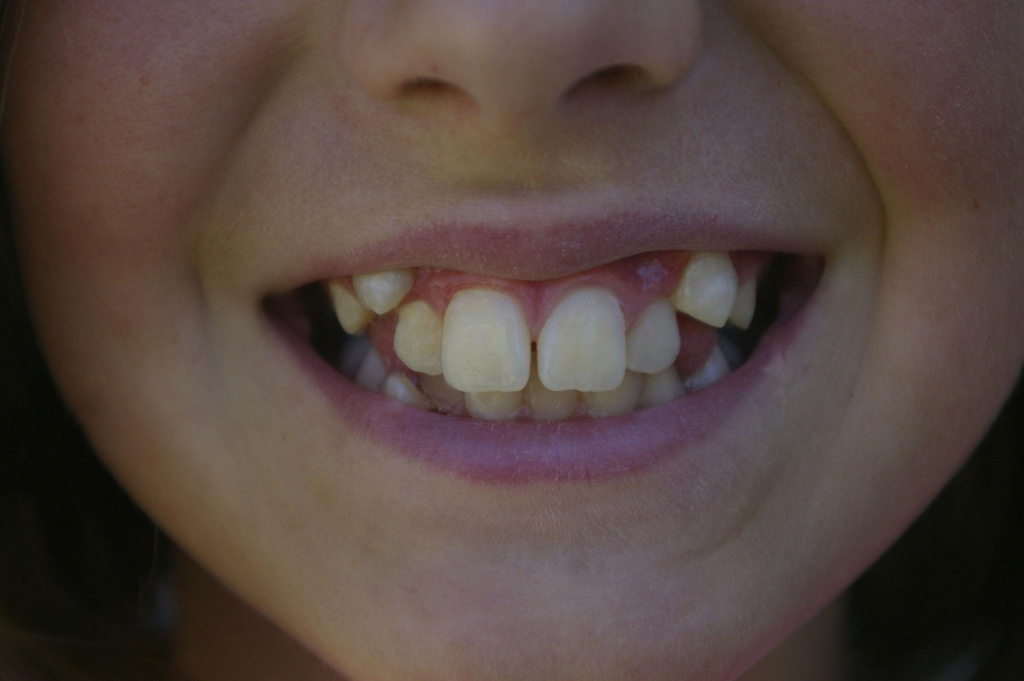
A child’s mouth changes considerably as baby teeth are lost and permanent teeth emerge.
During this period, parents may notice temporary spaces, overlapping teeth, teeth emerging at different angles, or areas that appear crowded.
A dentist may consider several factors when monitoring developing teeth, including:
- Which permanent teeth have emerged
- Available space within the dental arches
- The position of emerging teeth
- The child’s stage of dental development
- How the upper and lower teeth meet
- Changes observed during previous examinations
The presence of crowding in childhood does not automatically mean that treatment should begin immediately.
Monitoring development over time may be appropriate in some situations, while other findings may warrant further assessment.
6. How Is Dental Crowding Assessed?

A dental assessment can help determine the extent of crowding and whether it is affecting oral health or the bite.
During an examination, a dentist may evaluate:
- The position of individual teeth
- Available space within the dental arches
- Areas of overlap or rotation
- How the upper and lower teeth meet
- Gum and supporting-tissue health
- Tooth wear
- Oral hygiene around crowded areas
- Dental development in children and adolescents
Depending on the individual situation, photographs, dental models, digital scans or diagnostic imaging may also be considered when clinically appropriate.
These records provide additional information, but they complement rather than replace an in-person examination.
7. When Should You Consider an Orthodontic Assessment?
Crowded teeth do not automatically require orthodontic treatment. Mild crowding may cause few concerns for some individuals, while more significant crowding may warrant further evaluation.
An assessment may be worth considering if you or your child notices:
- Significant overlapping or rotation of teeth
- Difficulty brushing or flossing crowded areas
- Permanent teeth emerging outside the expected dental arch
- Changes in how the teeth fit together
- Uneven tooth wear
- Persistent food trapping between crowded teeth
- Concerns about available space for developing permanent teeth
An orthodontic assessment does not mean treatment will necessarily be recommended.
The purpose of an assessment is to understand the tooth and bite relationships and determine whether monitoring, treatment or further evaluation may be appropriate.
What Treatment Options May Be Considered?
If treatment is considered appropriate, the approach depends on the amount and location of crowding, tooth and jaw relationships, age, dental development, oral health and other individual findings.
Depending on the clinical situation, management may include:
- Monitoring dental development
- Braces
- Clear aligners in appropriate cases
- Other orthodontic approaches to manage tooth position or available space
- Referral for additional assessment when appropriate
There is no single treatment approach for crowded teeth. Treatment planning requires an individualized clinical assessment and appropriate diagnostic information.
Final Thoughts
Crowded teeth develop when the position and space requirements of the teeth do not correspond with the available space within the dental arches.
Although crowding is often noticed because of appearance, it may also make certain areas more difficult to clean or influence tooth contact in some individuals.
Not every person with crowded teeth requires orthodontic treatment. An in-person dental examination can help determine whether the teeth should simply be monitored or whether further assessment or treatment may be appropriate.
This article is intended for general educational purposes only. Diagnosis and treatment decisions require a clinical examination and personalized advice from a qualified dental professional.
Book Your Consultation with Dr. Ramesh Agrawal
If you’re in Toronto or the GTA and have concerns about your or your child’s teeth alignment, our team is here to help.
Take the first step toward a healthier smile today.
 Call us to book your appointment

