

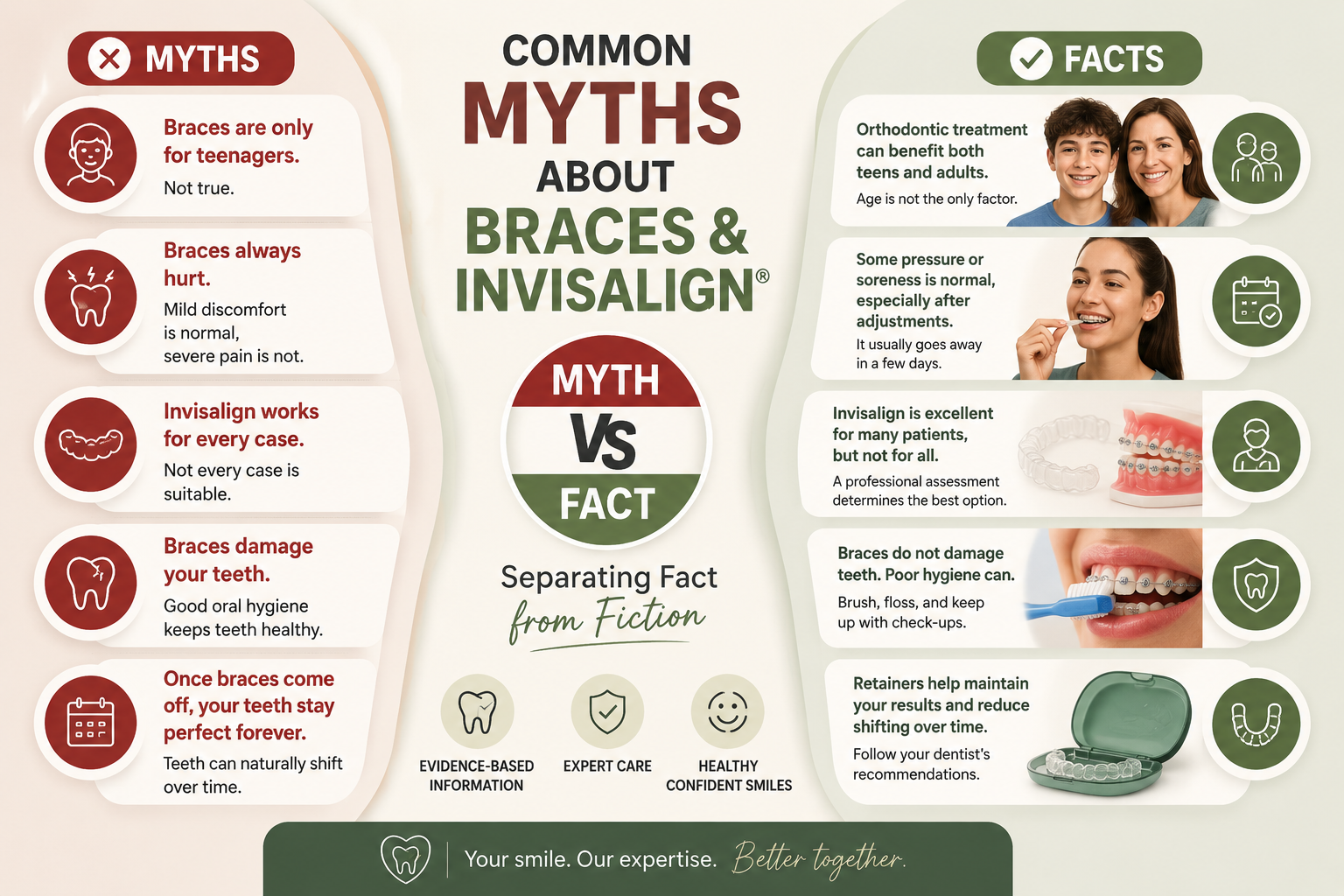
If you’re thinking about orthodontic treatment, you’ve probably heard a variety of opinions from friends, family, or social media. While some advice may be helpful, many common beliefs about braces and clear aligners are based on outdated information or misunderstandings.
This article explores some of the most common myths about braces and Invisalign®, explains what current dental knowledge tells us, and helps you make informed decisions about your oral health. Every person’s needs are different, so an in-person assessment is always the best way to receive personalized advice.
1. Myth: Braces Are Only for Teenagers
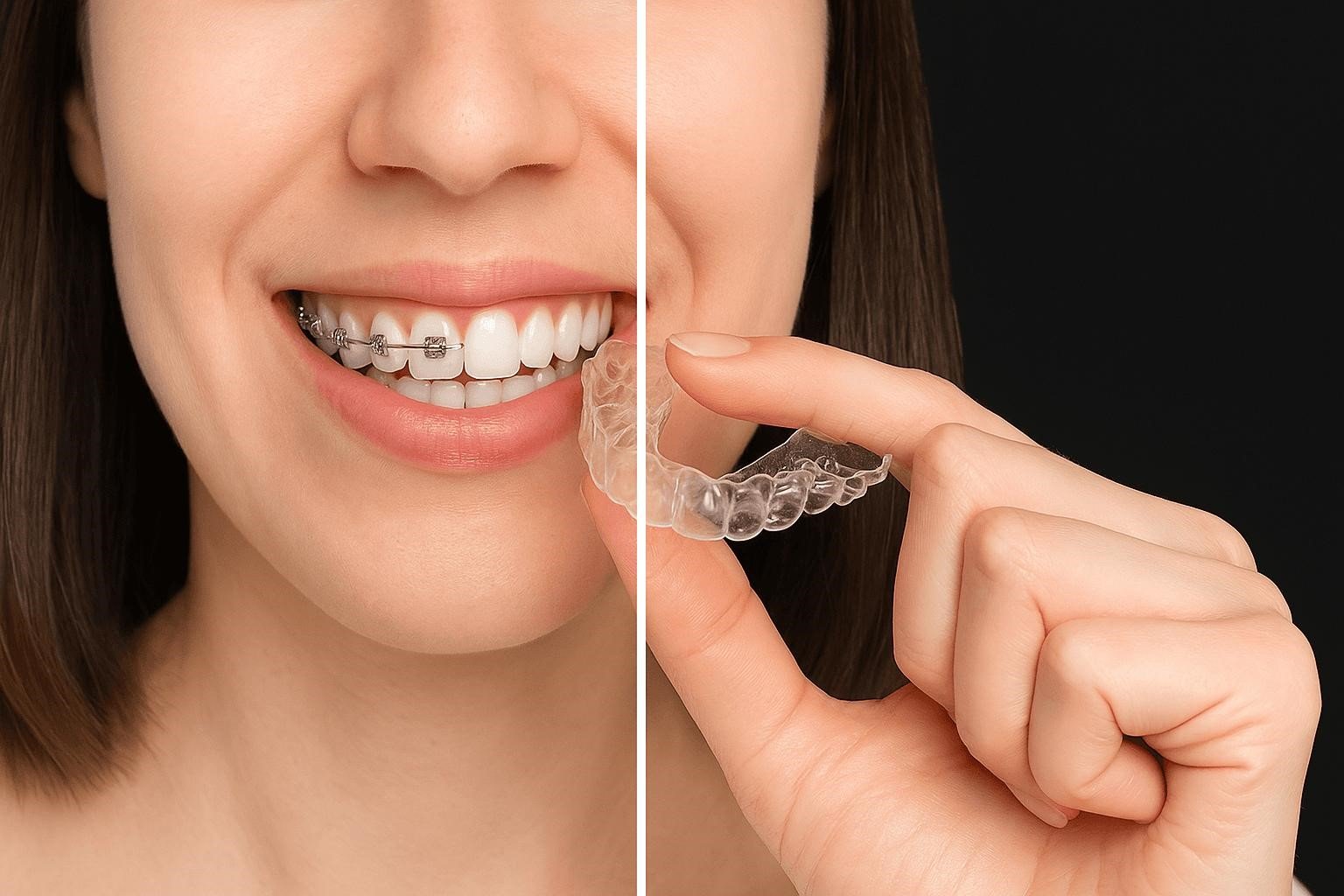
Fact: Orthodontic treatment can be appropriate for both teenagers and adults.
Many adults choose orthodontic care later in life for reasons such as improving bite function, correcting tooth movement over time, or making oral hygiene easier.
Age alone does not determine whether someone may benefit from orthodontic treatment.
2. Myth: Braces Always Hurt
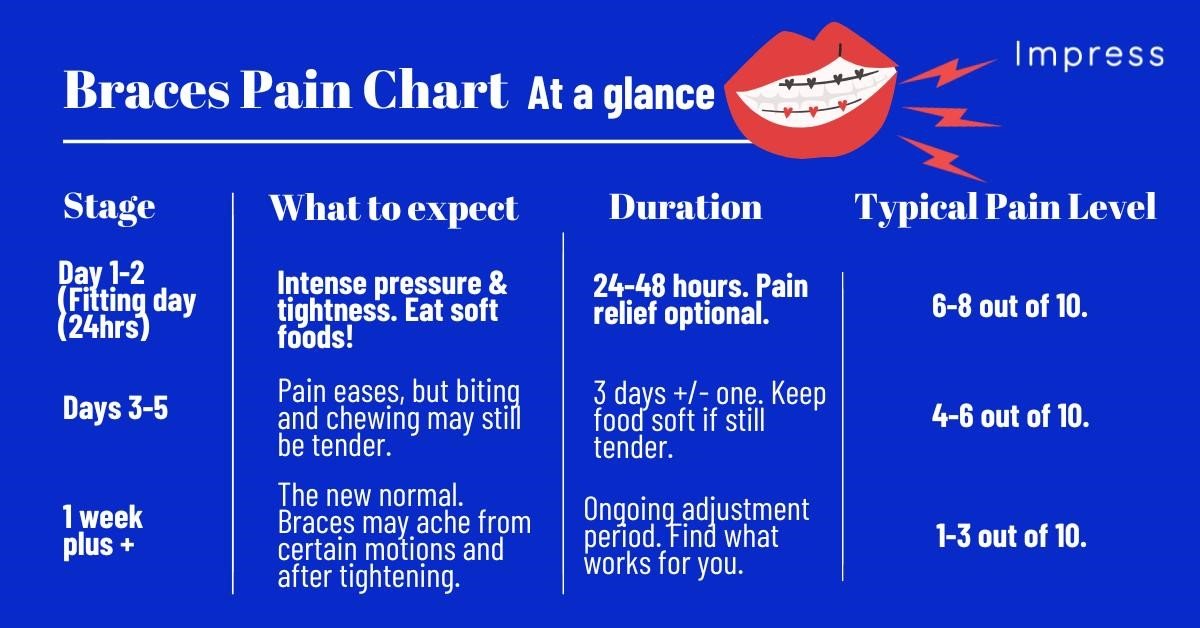
Fact: Some temporary discomfort is common, particularly after braces are placed or adjusted, but severe or ongoing pain is not typical.
Many people describe the sensation as pressure rather than pain.
Simple measures such as:
-
- Eating softer foods
-
- Following your dentist’s instructions
-
- Giving your mouth time to adjust
can often help during the first few days.
3. Myth: Invisalign Works for Every Case
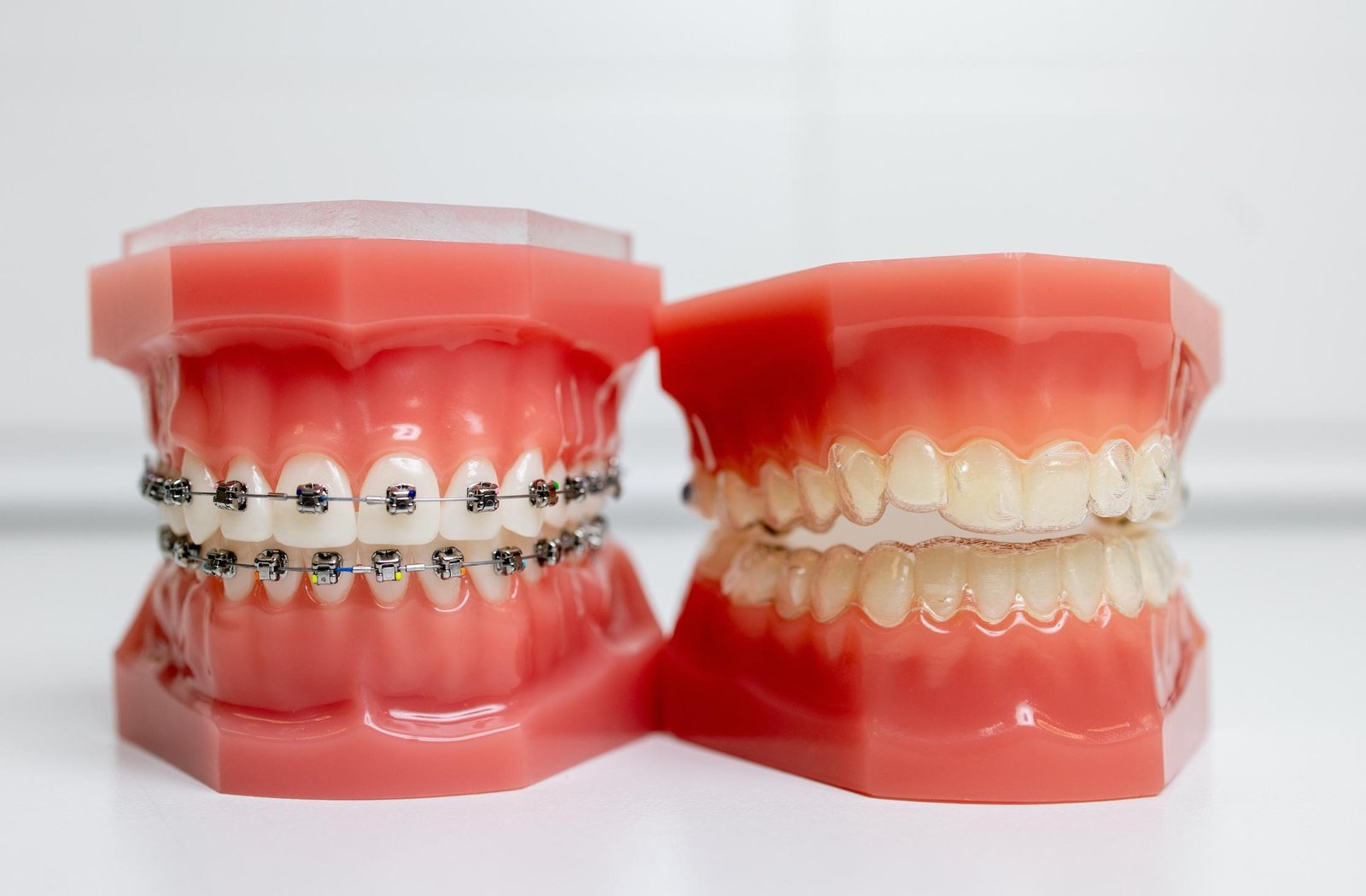
Fact: Clear aligners are an excellent option for many patients, but they may not be the most appropriate choice for every orthodontic concern.
Treatment recommendations depend on several factors, including:
-
- Bite relationship
-
- Tooth position
-
- Treatment goals
-
- Clinical examination findings
A professional assessment helps determine which treatment option is most suitable.
4. Myth: Braces Damage Your Teeth
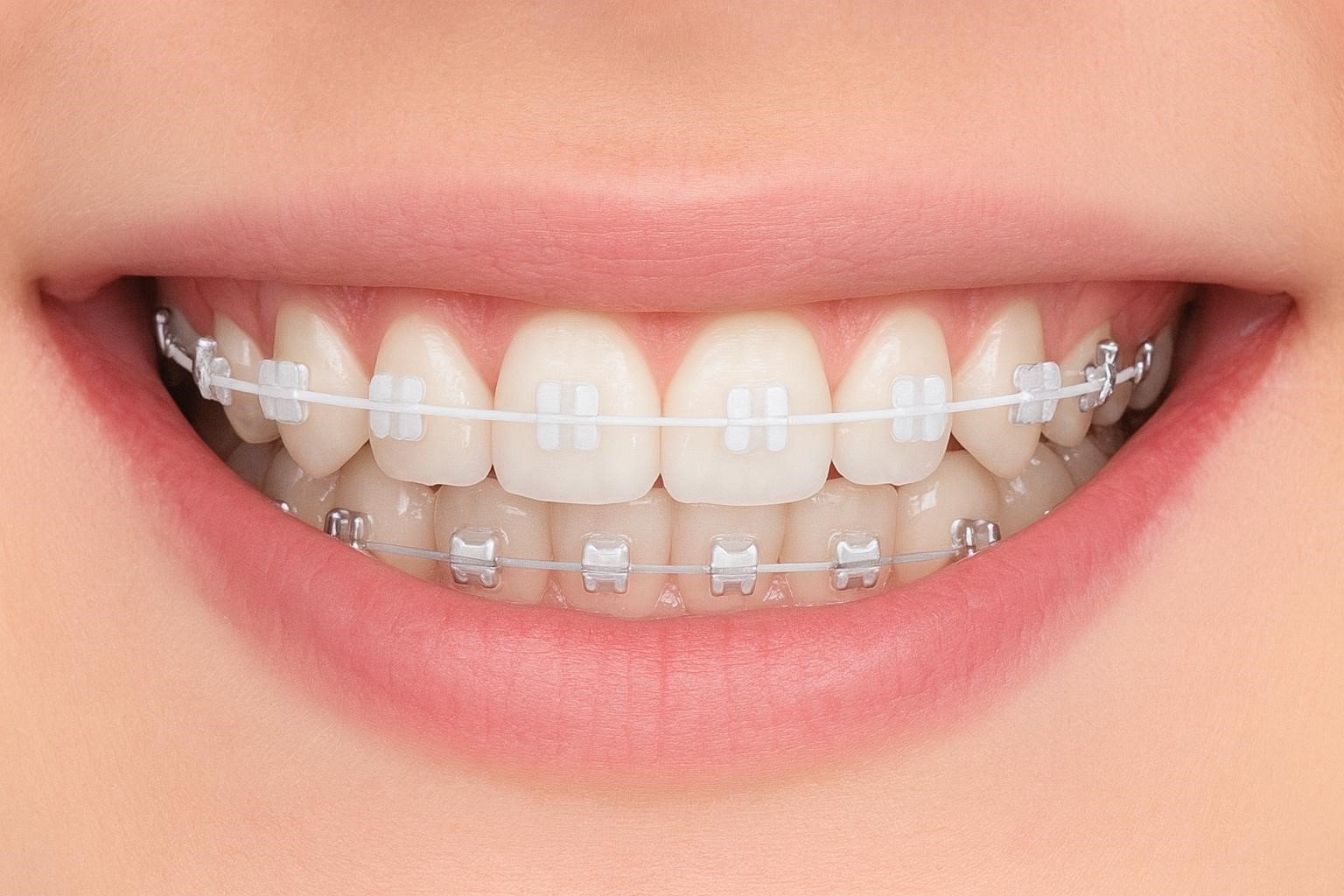
Fact: Braces themselves do not damage healthy teeth.
However, poor oral hygiene during treatment may increase the risk of:
-
- Plaque accumulation
-
- Cavities
-
- Gum inflammation
-
- White spot lesions
Regular brushing, flossing, and dental check-ups play an important role in maintaining healthy teeth throughout treatment.
5. Myth: Once Braces Come Off, Your Teeth Stay Perfect Forever
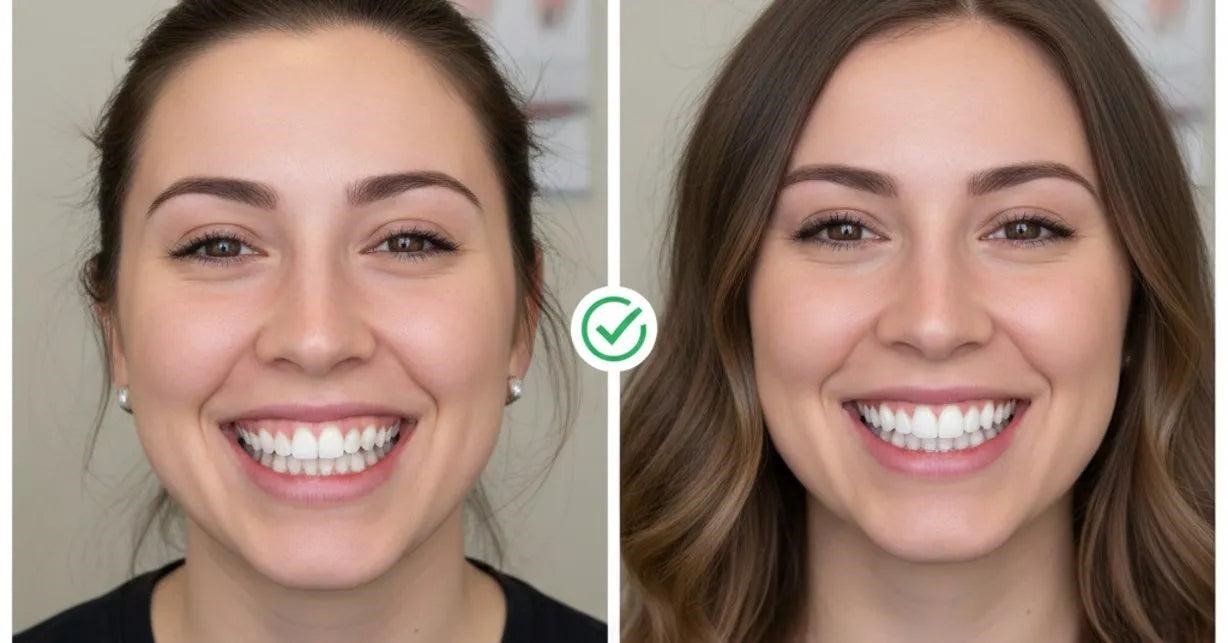
Fact: Teeth naturally change throughout life.
After orthodontic treatment, retainers help maintain the new position of the teeth and reduce the likelihood of unwanted movement.
Following your dentist’s recommendations regarding retainer wear is an important part of maintaining long-term results.
Final Thoughts
Orthodontic treatment has advanced significantly, but myths and misconceptions continue to circulate. Understanding the facts can help you make informed decisions and know what to expect if you’re considering braces or clear aligners.
If you have questions about your teeth, bite, or orthodontic options, an in-person consultation with a qualified dental professional is the best way to receive advice tailored to your individual needs.
This article is intended for general educational purposes only. Diagnosis and treatment decisions require a clinical examination by a qualified dental professional.
Book Your Consultation with Dr. Ramesh Agrawal
If you’re in Toronto or the GTA and have concerns about your or your child’s teeth alignment, our team is here to help.
Take the first step toward a healthier smile today.
 Call us to book your appointment

