

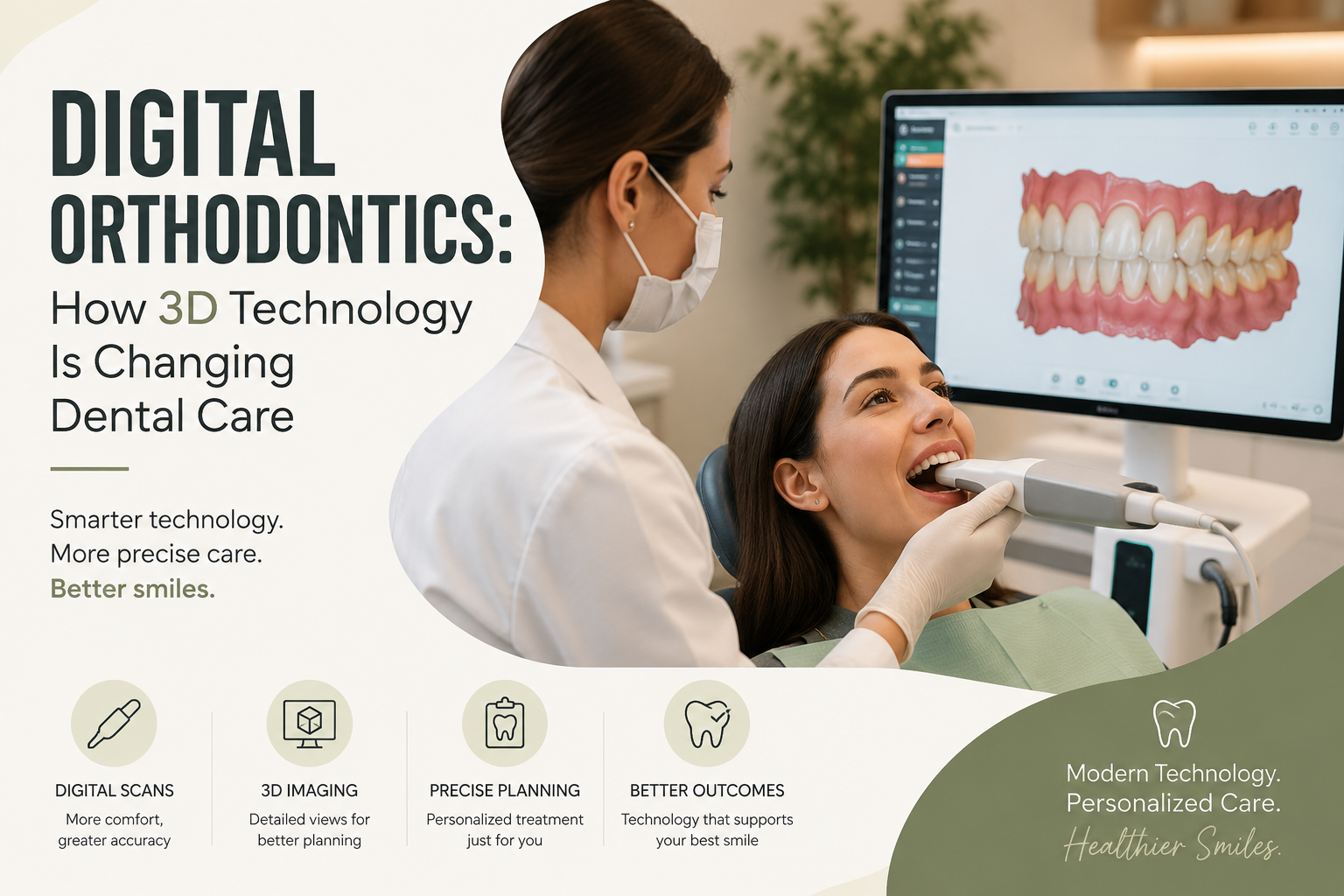
Advances in digital technology have introduced new tools that may assist dentists in examining teeth, documenting oral health, and planning orthodontic treatment. Digital scans and three-dimensional imaging are examples of technologies that can support patient education and clinical decision-making.
While these technologies can provide detailed information, they are only one part of the assessment process. A comprehensive clinical examination and professional judgment remain essential when determining whethelr orthodontic treatment may be appropriate.
This article explains how digital technology may be used during orthodontic care and what patients can generally expect during an assessment.
1. What Is Digital Orthodontics?
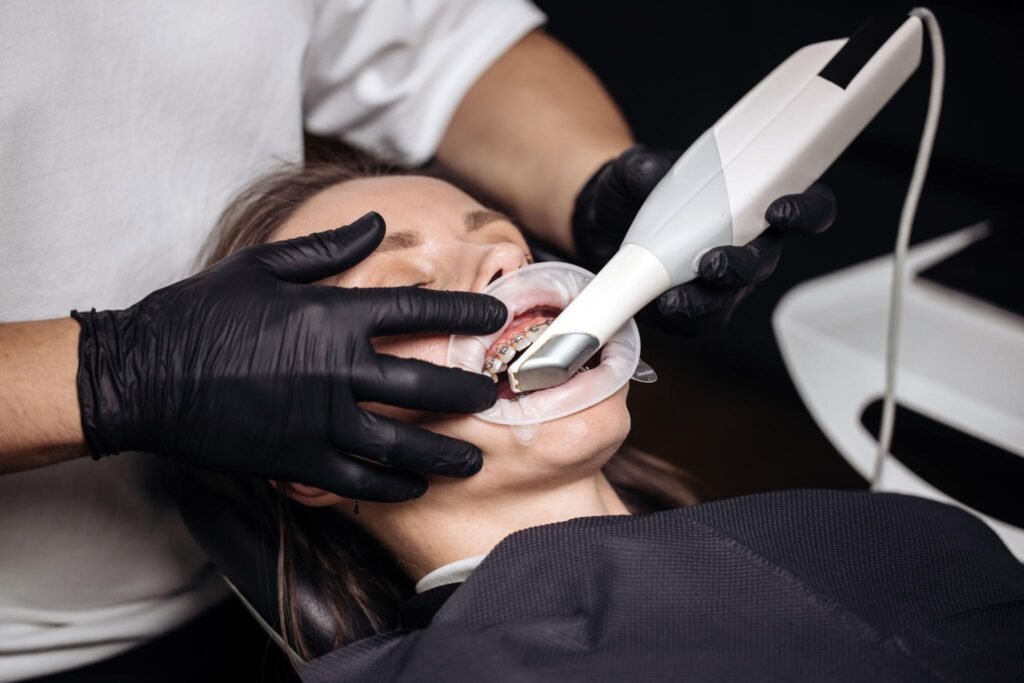
Digital orthodontics refers to the use of digital tools that may assist in evaluating teeth, recording oral health information, and planning orthodontic treatment.
Rather than relying solely on traditional techniques, many dental practices now incorporate digital technologies to obtain detailed images and records of a patient’s teeth and bite.
Examples of digital technologies include:
-
- Intraoral scanners
-
- Digital photographs
-
- Digital dental X-rays
-
- Three-dimensional digital models
These technologies may assist dentists in documenting findings and discussing treatment options with patients.
2. Replacing Traditional Dental Impressions
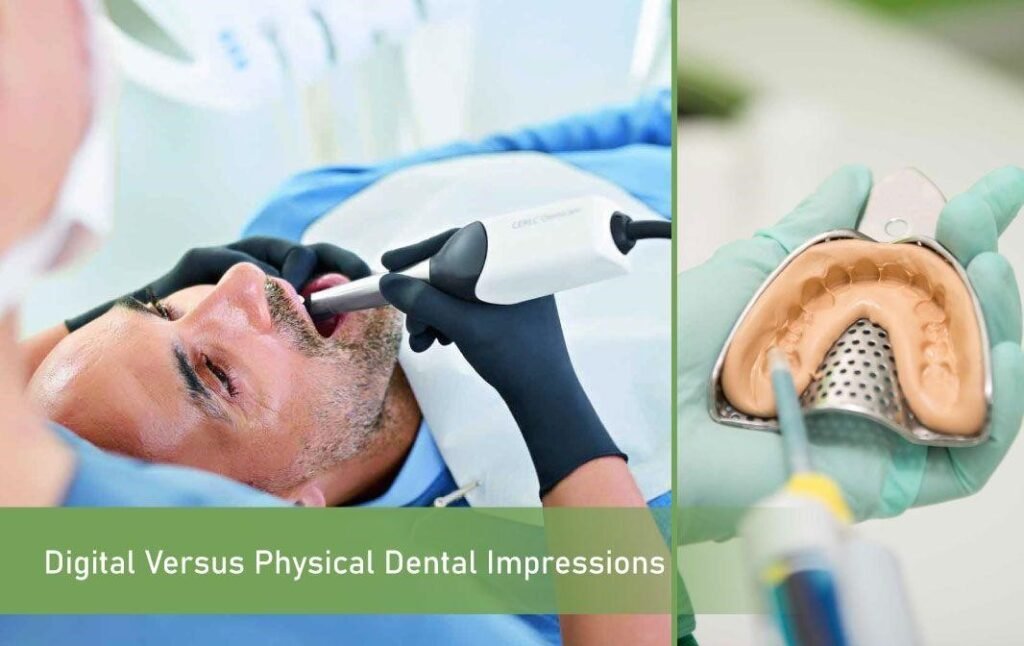
Traditional dental impressions often involved placing impression material inside trays to create a mould of the teeth.
Today, many dental practices may use an intraoral scanner to capture a series of digital images that are combined into a three-dimensional model of the teeth.
Depending on the individual situation, digital scans may:
-
- Eliminate the need for conventional impression material
-
- Produce detailed digital models
-
- Allow records to be stored electronically
-
- Support communication during treatment planning
The choice of scanning method depends on the patient’s individual needs and the type of treatment being considered.
3. Treatment Planning Through 3D Imaging
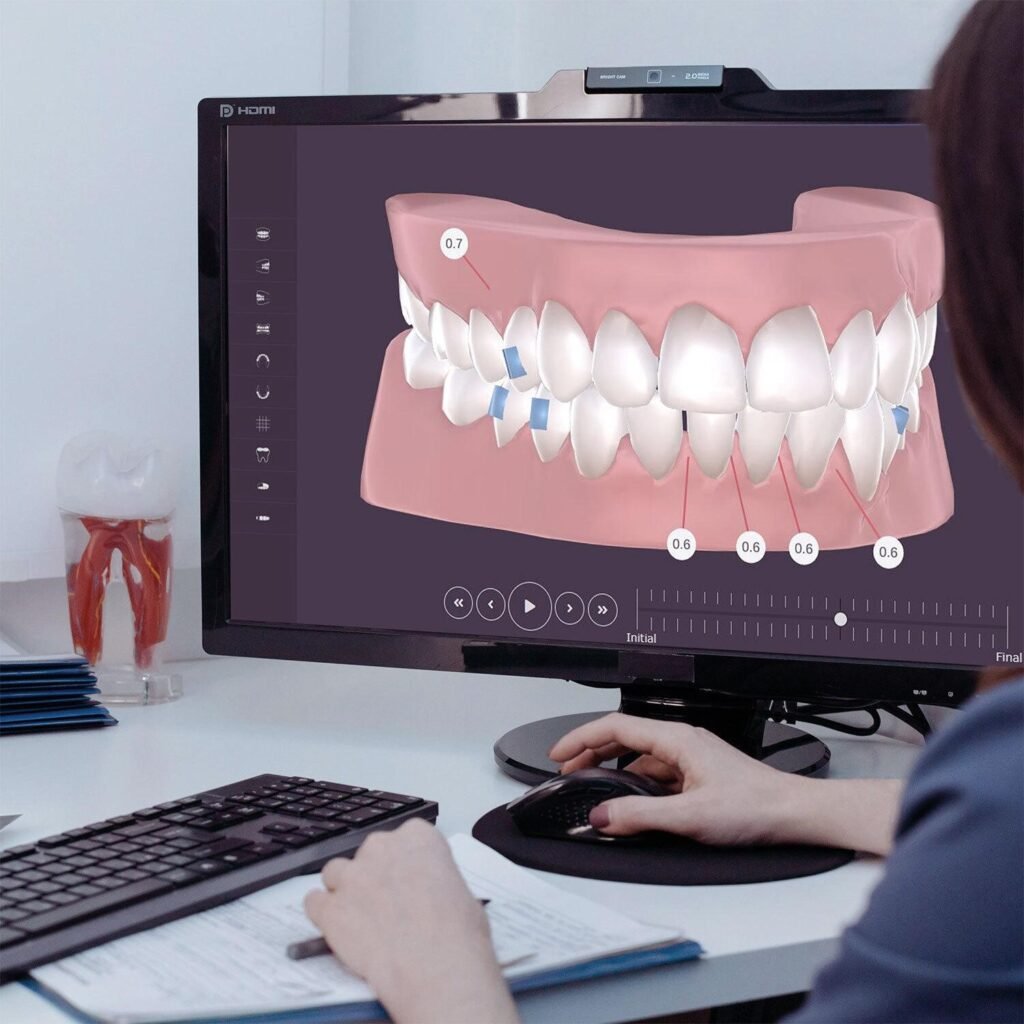
Three-dimensional digital models allow dentists to view the teeth and bite from different angles during assessment.
These digital records may assist with:
-
- Evaluating tooth alignment
-
- Assessing how the upper and lower teeth fit together
-
- Monitoring changes over time
-
- Discussing possible treatment options
Digital models can also help patients better understand their oral health during consultations by providing a visual representation of their teeth
4. Monitoring Progress Throughout Treatment
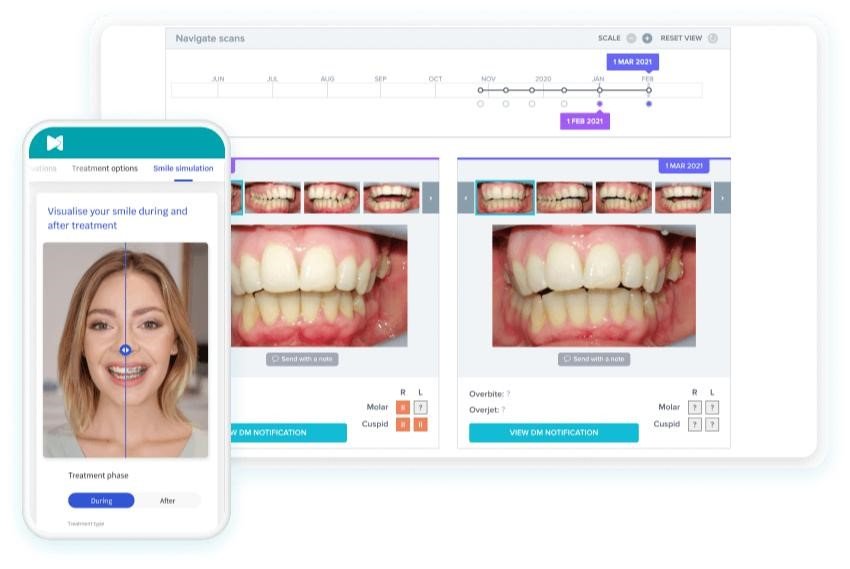
If orthodontic treatment is provided, digital records may be used throughout the treatment process to compare changes over time.
During follow-up appointments, digital scans or photographs may assist the dentist in monitoring:
-
- Tooth movement
-
- Bite relationships
-
- Treatment progress
-
- Overall oral health
Regular clinical examinations remain an important part of orthodontic care, regardless of the technology used.
5. Technology Supports — But Doesn’t Replace — Professional Care
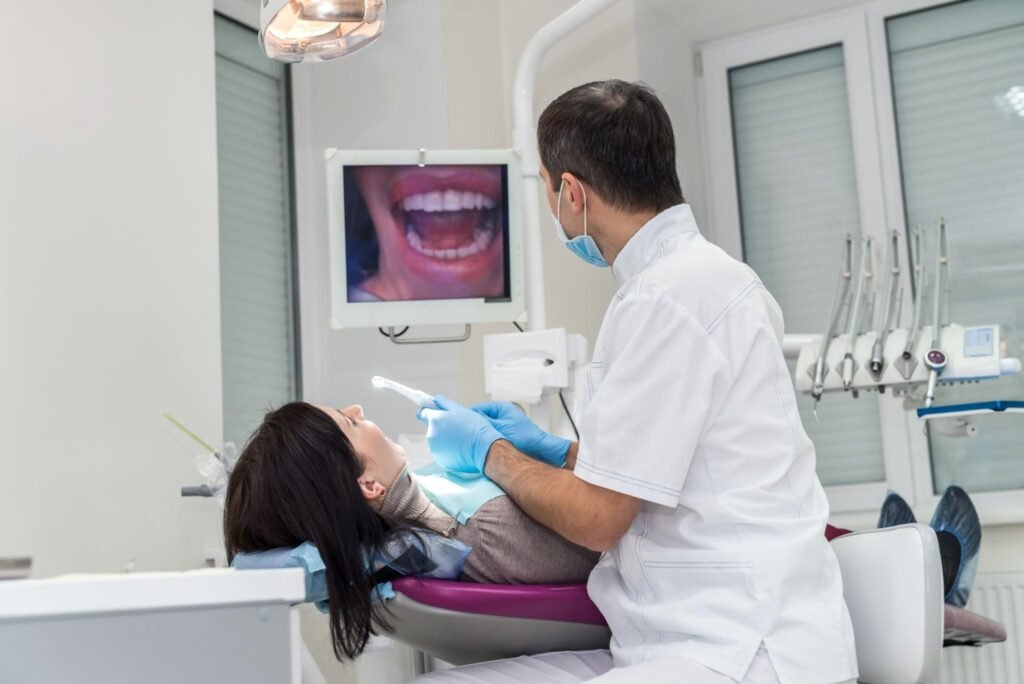
Digital technology is a valuable clinical tool, but it does not replace an in-person examination, diagnosis, or professional judgment.
Treatment recommendations are based on several factors, including:
-
- Clinical examination findings
-
- Medical and dental history
-
- Digital records
-
- Individual oral health needs
-
- Patient goals and preferences
Technology provides additional information that may support clinical decision-making, but every treatment plan is personalized based on the patient’s individual circumstances.
Final Thoughts
Digital technology has become an important part of many dental practices and may assist with orthodontic assessment, treatment planning, and patient education. These tools can provide detailed information that supports communication between patients and dental professionals.
However, technology is only one component of comprehensive dental care. Every patient has unique oral health needs, and an in-person examination is essential to determine whether orthodontic treatment may be appropriate.
This article is intended for general educational purposes only. It does not replace a clinical examination, diagnosis, or personalized treatment recommendations from a qualified dental professional.
Book Your Consultation with Dr. Ramesh Agrawal
If you’re in Toronto or the GTA and have concerns about your or your child’s teeth alignment, our team is here to help.
Take the first step toward a healthier smile today.
 Call us to book your appointment

