

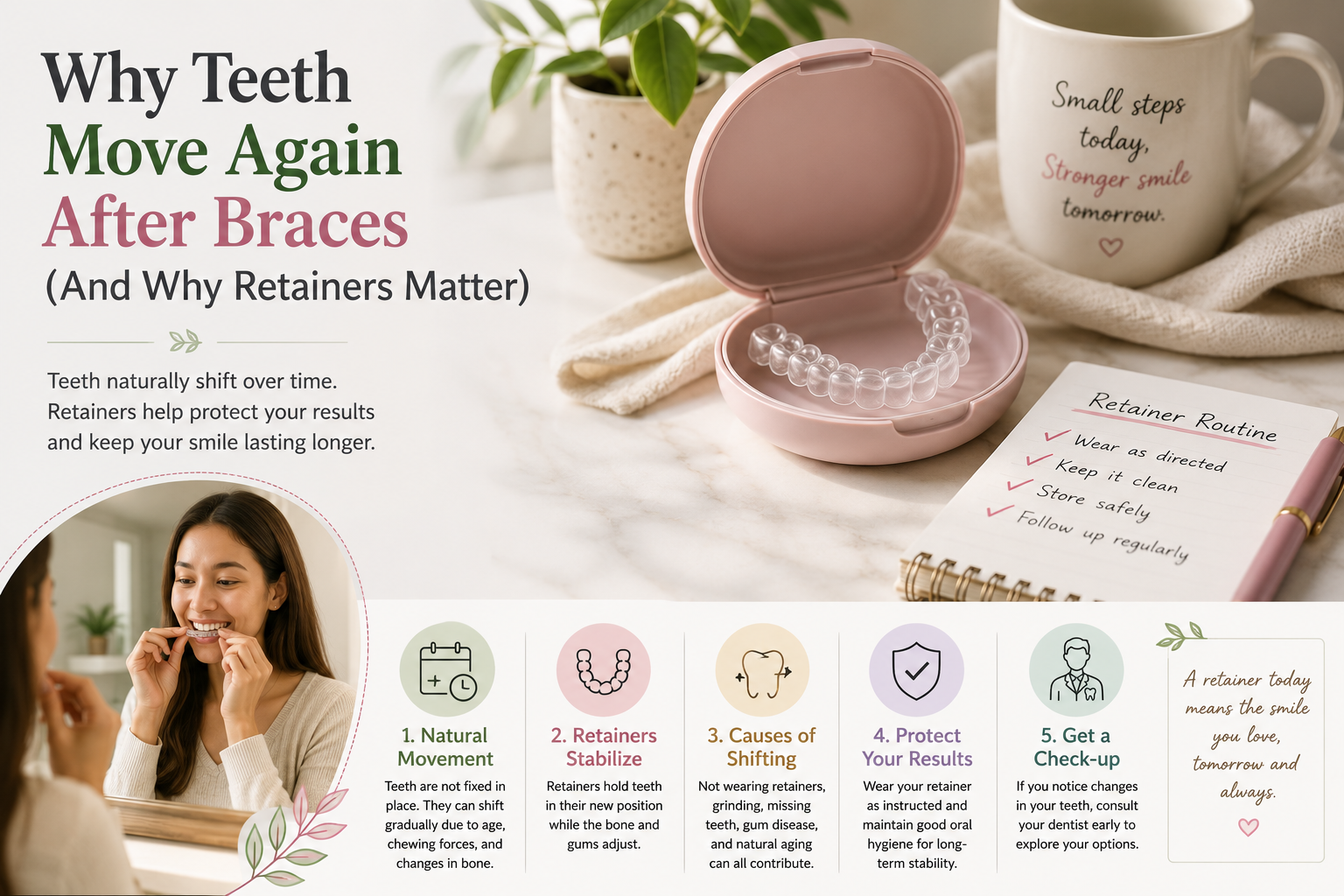
Completing orthodontic treatment is an exciting milestone, but many people are surprised to learn that teeth can continue to shift over time. Even after braces or clear aligners have successfully straightened your teeth, maintaining those results requires ongoing care.
The good news is that this is a natural process. Understanding why teeth move and how retainers help can make it easier to protect your smile for years to come. This guide is for general educational purposes and does not replace personalized advice from a dental professional.
1. Do Teeth Naturally Move Over Time?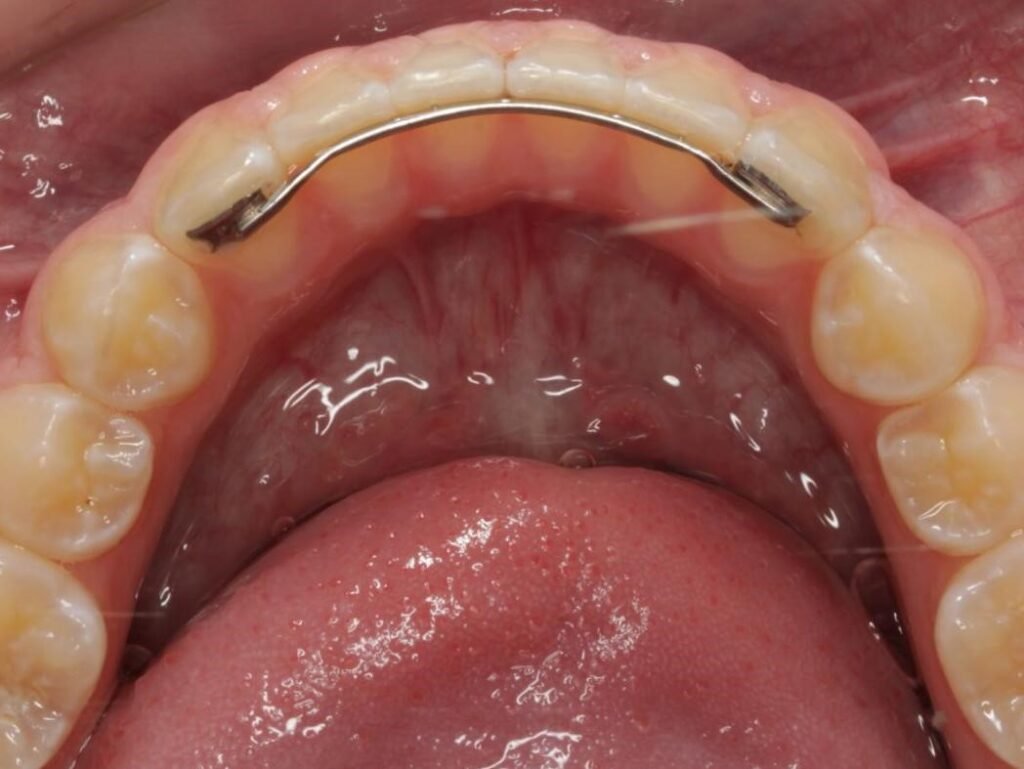
Yes. Teeth are supported by living bone and surrounding tissues that naturally change throughout life.
Even if you’ve never had orthodontic treatment, your teeth can gradually shift due to factors such as:
-
- Natural aging
-
- Everyday chewing forces
-
- Changes in the surrounding bone and gums
-
- Loss of nearby teeth
Small changes over time are common and do not necessarily indicate a problem.
2. Why Are Retainers So Important?
After teeth have been moved into their new positions, the surrounding bone and tissues need time to stabilize.
Retainers help by:
-
- Holding teeth in their corrected positions
-
- Supporting long-term stability
-
- Reducing the likelihood of unwanted tooth movement
Your dentist will recommend a retainer schedule based on your individual needs.
3. What Can Cause Teeth to Shift?
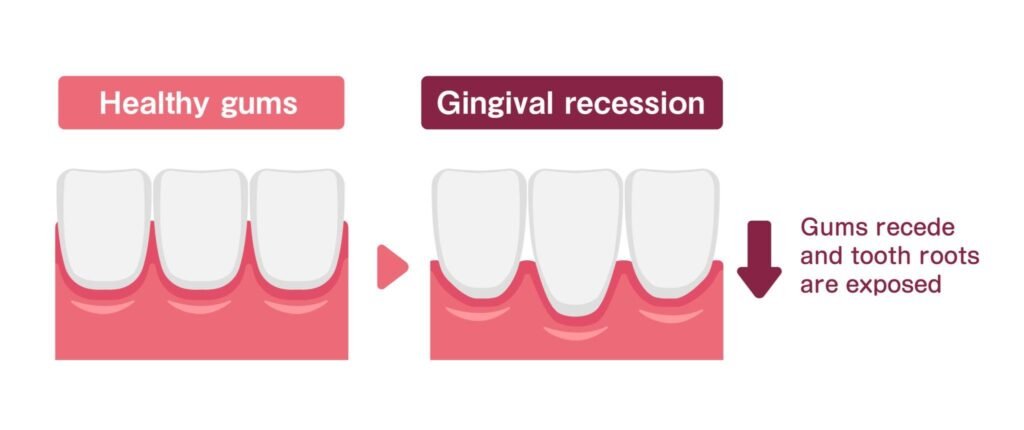
Several factors can influence tooth movement after orthodontic treatment.
These may include:
-
- Not wearing retainers as instructed
-
- Natural age-related changes
-
- Teeth grinding or clenching
-
- Gum disease affecting tooth support
-
- Missing teeth that allow neighbouring teeth to move
Because every person is different, the amount of movement varies from one individual to another.
4. How Can You Help Maintain Your Results?
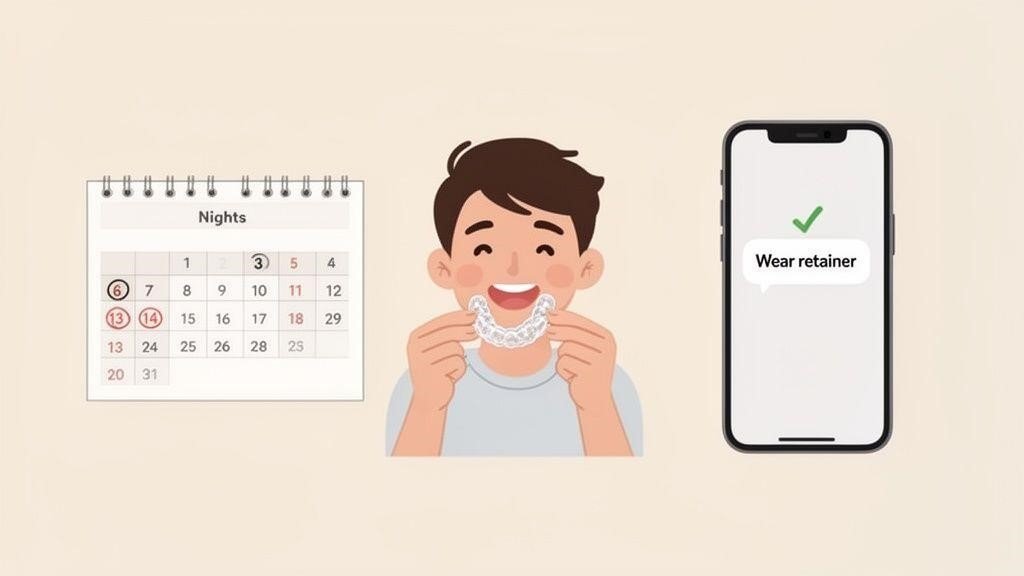
Looking after your retainer is just as important as wearing it.
Helpful habits include:
-
- Wearing your retainer as recommended
-
- Cleaning it regularly
-
- Storing it safely when not in use
-
- Attending scheduled follow-up appointments
-
- Contacting your dental office if it becomes damaged or no longer fits comfortably
These simple steps can help preserve your orthodontic results.
5. What If Your Teeth Have Already Shifted?
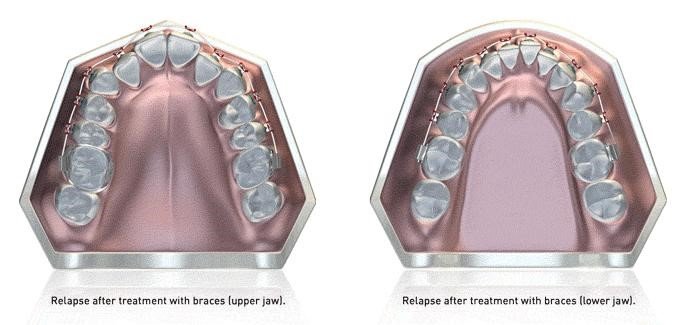
If you’ve noticed changes in your smile, it’s a good idea to have your teeth evaluated rather than assuming nothing can be done.
Depending on your individual situation, a dental professional may recommend:
-
- Monitoring the changes
-
- Replacing a damaged or worn retainer
-
- Wearing a new retainer
-
- Discussing whether additional orthodontic treatment may be appropriate
The earlier changes are assessed, the more options may be available.
Final Thoughts
Teeth naturally change throughout life, even after successful orthodontic treatment. Retainers play an important role in helping maintain the results achieved with braces or clear aligners, but long-term stability also depends on regular dental care and following professional recommendations.
If you notice your teeth shifting or have questions about your retainer, an in-person examination can help determine the most appropriate next steps for your individual needs.
This article is intended for general educational purposes only. Diagnosis and treatment recommendations require a clinical examination by a qualified dental professional.
Book Your Consultation with Dr. Ramesh Agrawal
If you’re in Toronto or the GTA and have concerns about your or your child’s teeth alignment, our team is here to help.
Take the first step toward a healthier smile today.
 Call us to book your appointment

