


Starting orthodontic treatment is an important step toward improving alignment and function—but daily care plays a big role in keeping your teeth and gums healthy along the way. Whether you have braces or clear aligners, a consistent routine helps prevent common issues like plaque build-up, irritation, or staining.
This guide explains simple, practical ways to care for your teeth during treatment. It is for general educational purposes and does not replace advice from a dental professional.
1. Building a Daily Cleaning Routine
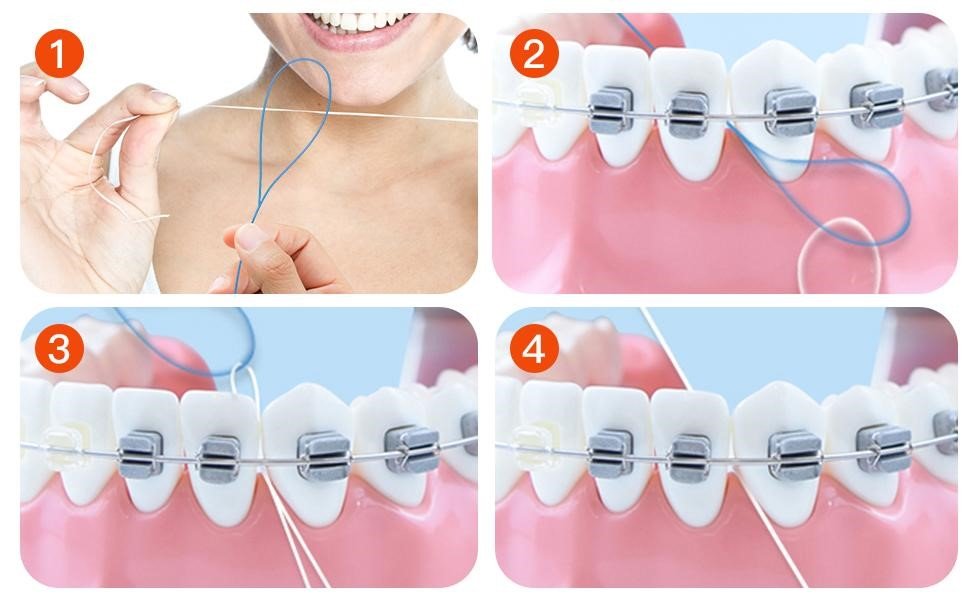
Keeping your teeth clean every day is the foundation of good orthodontic care.
Helpful habits:
- Brush at least twice a day using a soft-bristled toothbrush
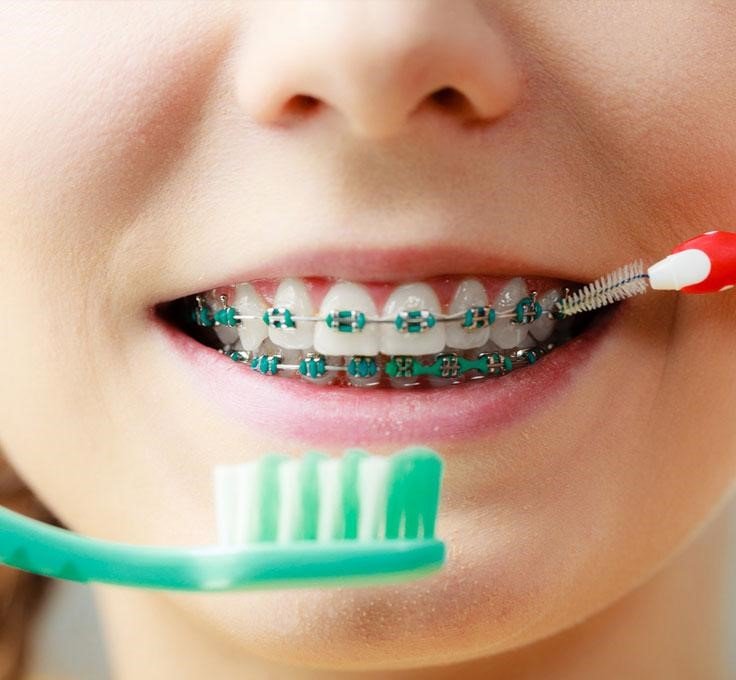
- Angle the brush carefully around brackets and along the gumline
- Floss daily (special tools may help with braces)
- Take your time—cleaning may require a few extra minutes
Consistent cleaning helps reduce the risk of cavities and gum irritation.
2. Caring for Braces: What to Keep in Mind

Braces stay fixed on your teeth, so extra attention is needed during the day.
Tips for braces care:
- Avoid very hard, sticky, or chewy foods
- Use orthodontic wax if brackets cause irritation
- Rinse your mouth after meals if brushing isn’t possible
- Check for any loose wires or brackets
Small daily steps can help keep treatment comfortable and on track.
3. Caring for Clear Aligners
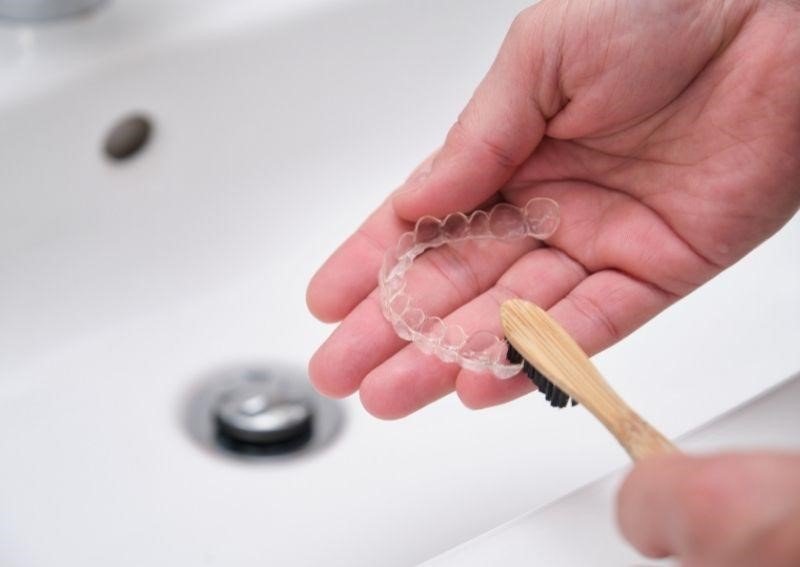
Clear aligners are removable, which changes how you care for them.
Good practices include:
- Remove aligners before eating or drinking anything except water
- Clean aligners daily with a soft brush and lukewarm water
- Store them in a protective case when not in use
- Avoid hot water, which may distort the trays
Keeping aligners clean helps maintain both oral hygiene and clarity of the trays.
4. Managing Discomfort and Sensitivity

Some mild discomfort can happen, especially after adjustments or new aligners.
You can try:
- Choosing softer foods during sensitive periods
- Rinsing with lukewarm salt water if advised
- Keeping up with gentle cleaning routines
- Allowing time for your mouth to adjust
If discomfort continues or worsens, a dental professional should assess it.
5. Regular Check-Ups and Staying on Track
Routine visits are an important part of orthodontic care.
These appointments help:
- Monitor progress of tooth movement
- Make necessary adjustments
- Address any concerns early
- Keep your treatment on schedule
Staying consistent with appointments supports better outcomes over time.
Final Thoughts
Caring for your teeth during orthodontic treatment is about consistency, patience, and attention to detail. Whether you have braces or aligners, small daily habits can make a meaningful difference in maintaining oral health.
If you ever feel unsure about your routine or notice changes in your teeth or gums, it’s best to seek guidance from a qualified dental professional. Personalized advice ensures safe and appropriate care.
This article is for general educational purposes only and does not replace a clinical evaluation.
Book your Consultation with Dr. Ramesh Agrawal
If you’re in Toronto or the GTA and have concerns about your or your child’s teeth alignment, our team is here to help.
Take the first step toward a healthier smile today.
📞 Call us to book your appointment
🌐 Visit our website to schedule online
📍 Conveniently serving Toronto & the Greater Toronto Area