

Many adults wonder if they’ve “missed the chance” to straighten their teeth. It’s a common concern—especially if orthodontic treatment wasn’t done earlier in life. The reassuring answer is that, in many cases, adults can still explore options like clear aligners, including Invisalign.
This guide explains how adult orthodontic care works, what to expect, and when a professional evaluation may be helpful. The information is educational and based on established dental knowledge. It does not replace an in-person dental assessment.
1. Can Teeth Still Move in Adulthood?
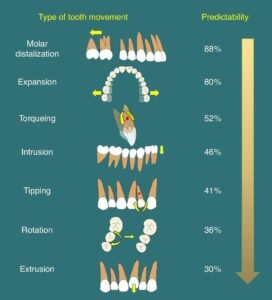
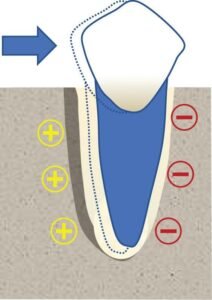
Teeth are not fixed in place permanently—they are supported by surrounding bone and tissues that can adapt over time.
What this means:
- Teeth can move at any age with controlled pressure
- The biological process is similar in adults and younger patients
- Movement may sometimes be slower due to bone density changes
Age alone does not usually prevent orthodontic treatment.
2. Why Do Adults Consider Invisalign?
Adults choose orthodontic care for a variety of reasons—often different from teenagers.
Common motivations include:
- Wanting to improve alignment or spacing
- Changes in teeth over time (shifting, crowding)
- Preparing for other dental treatments
- Preference for a less noticeable option
Clear aligners are often considered because they fit more easily into daily routines.
3. How Is Adult Treatment Different?
While the basic principles are the same, adult treatment may involve additional considerations.
Important factors:
- Gum health and bone support
- Existing dental work (crowns, fillings, implants)
- Overall oral health history
- Long-term stability of results
These factors are carefully evaluated before starting treatment.
4. What Are the Benefits and Considerations?

Clear aligners offer certain advantages, but they also require commitment.
Potential benefits:
- Less noticeable appearance
- Removable for meals and oral hygiene
- Smooth surface may feel more comfortable
Things to keep in mind:
- Must be worn consistently (typically most of the day)
- May not be suitable for all complex cases
- Regular follow-ups are still important
5. When Should You Consider an Assessment?
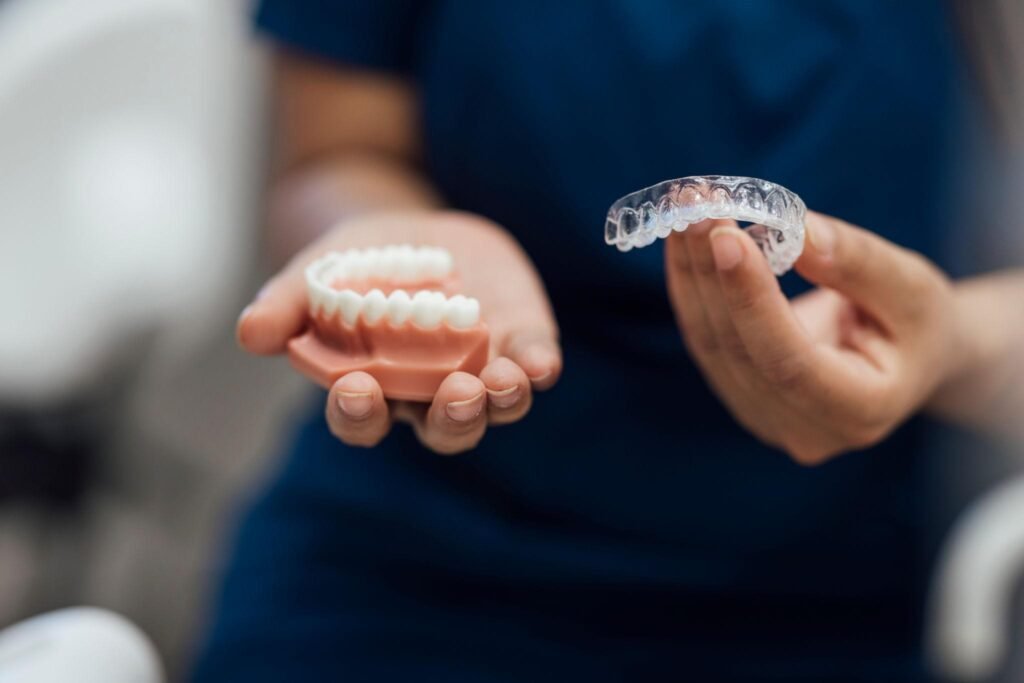
If you’re considering orthodontic care as an adult, a professional evaluation is the best place to start.
You may consider a visit if you notice:
- Crowding or shifting of teeth over time
- Difficulty cleaning certain areas
- Changes in your bite or chewing comfort
- Interest in improving alignment for functional or personal reasons
A dental professional can assess your situation and discuss appropriate options.
Final Thoughts
It is generally not “too late” to explore orthodontic treatment. Many adults choose to improve their dental alignment later in life, and clear aligners are one of the available options.
Each case is unique, and the right approach depends on your oral health, goals, and clinical findings. An in-person assessment ensures that any recommendations are safe and appropriate for your needs.
This article is for general educational purposes only. Diagnosis and treatment decisions require a clinical examination by a qualified dental professional.
Book your Consultation with Dr. Ramesh Agrawal
If you’re in Toronto or the GTA and have concerns about your or your child’s teeth alignment, our team is here to help.
Take the first step toward a healthier smile today.
📞 Call us to book your appointment
🌐 Visit our website to schedule online
📍 Conveniently serving Toronto & the Greater Toronto Area