

Thinking about braces often brings up an important question: How much will it cost? The answer can vary depending on several factors, and understanding those can help you feel more prepared.
This guide explains what typically influences the cost of braces in a clear, patient-friendly way. It is based on general dental knowledge and is meant for education only. Exact fees can only be determined after an in-person assessment by a dental professional.
1. What Is the Typical Cost Range?
The cost of braces can vary depending on the type of treatment and individual needs.
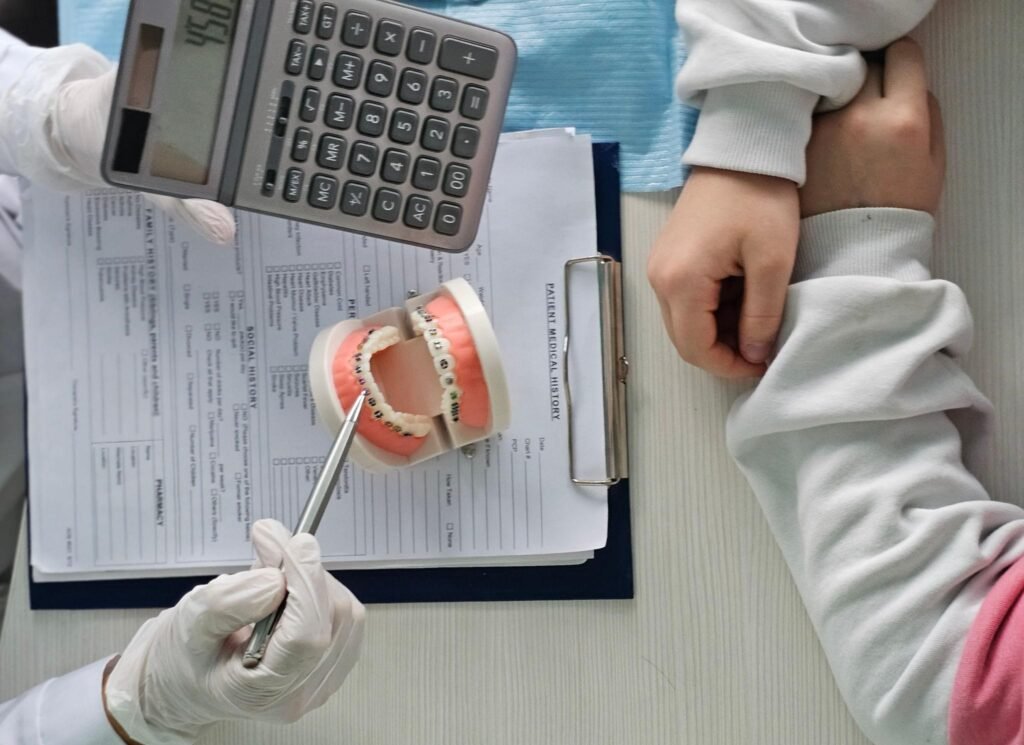
In general, you may see:
-
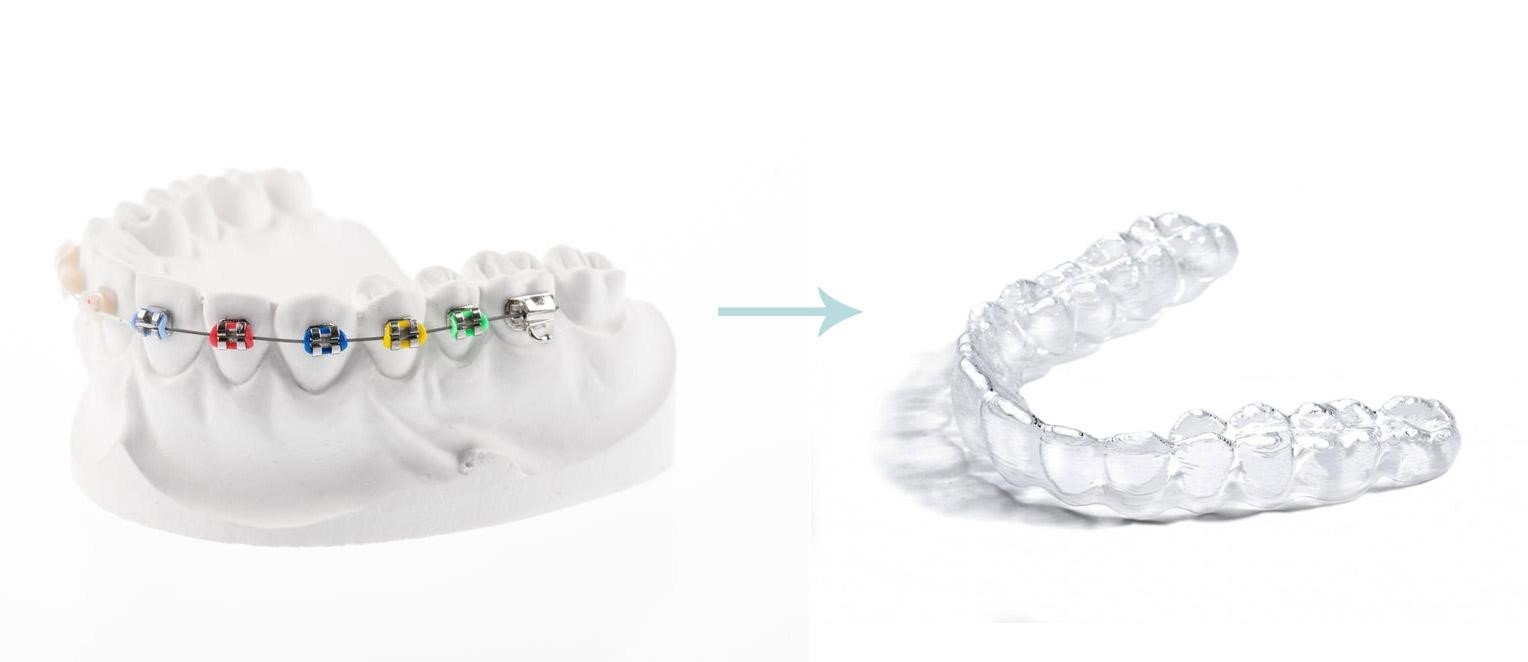
- Traditional metal braces: often in a lower to mid range
-
- Ceramic (tooth-coloured) braces: typically slightly higher
-
- Clear aligners (e.g., Invisalign): may range from moderate to higher
Costs can differ based on location, complexity, and treatment duration. A personalized estimate is always necessary.
2. What Factors Affect the Cost?
No two orthodontic cases are exactly the same, and several factors influence pricing.
Common factors include: 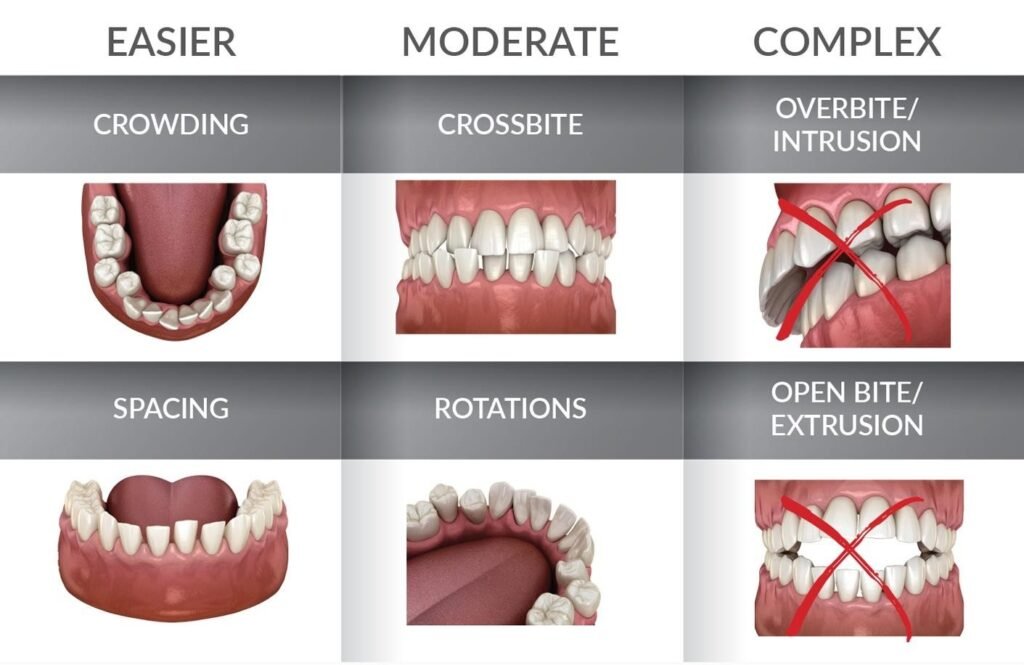
-
- Complexity of the case: More significant alignment or bite concerns may require longer treatment
-
- Type of braces chosen: Different materials and systems have different costs
-
- Treatment length: Longer treatment may involve more visits and adjustments
-
- Age and oral health: Existing dental conditions may need to be addressed first
These elements are assessed during a consultation.
3. What Is Usually Included in the Cost?
Treatment fees often include more than just the braces themselves.
This may cover:
-
- Initial consultation and assessment
-
- Diagnostic records (such as X-rays or impressions)
-
- Placement of braces or aligners
-
- Regular follow-up visits and adjustments
-
- Retainers after treatment (in some cases)
It’s helpful to ask what is included so you understand the full scope of care.
4. Are There Payment Options?
Many clinics offer ways to make treatment more manageable. 
You may find:
-
- Payment plans spread over time
-
- Coordination with dental insurance (if available)
-
- Flexible arrangements based on individual situations
Details vary, so discussing options directly with the clinic can provide clarity.
5. Why Is an In-Person Assessment Important?
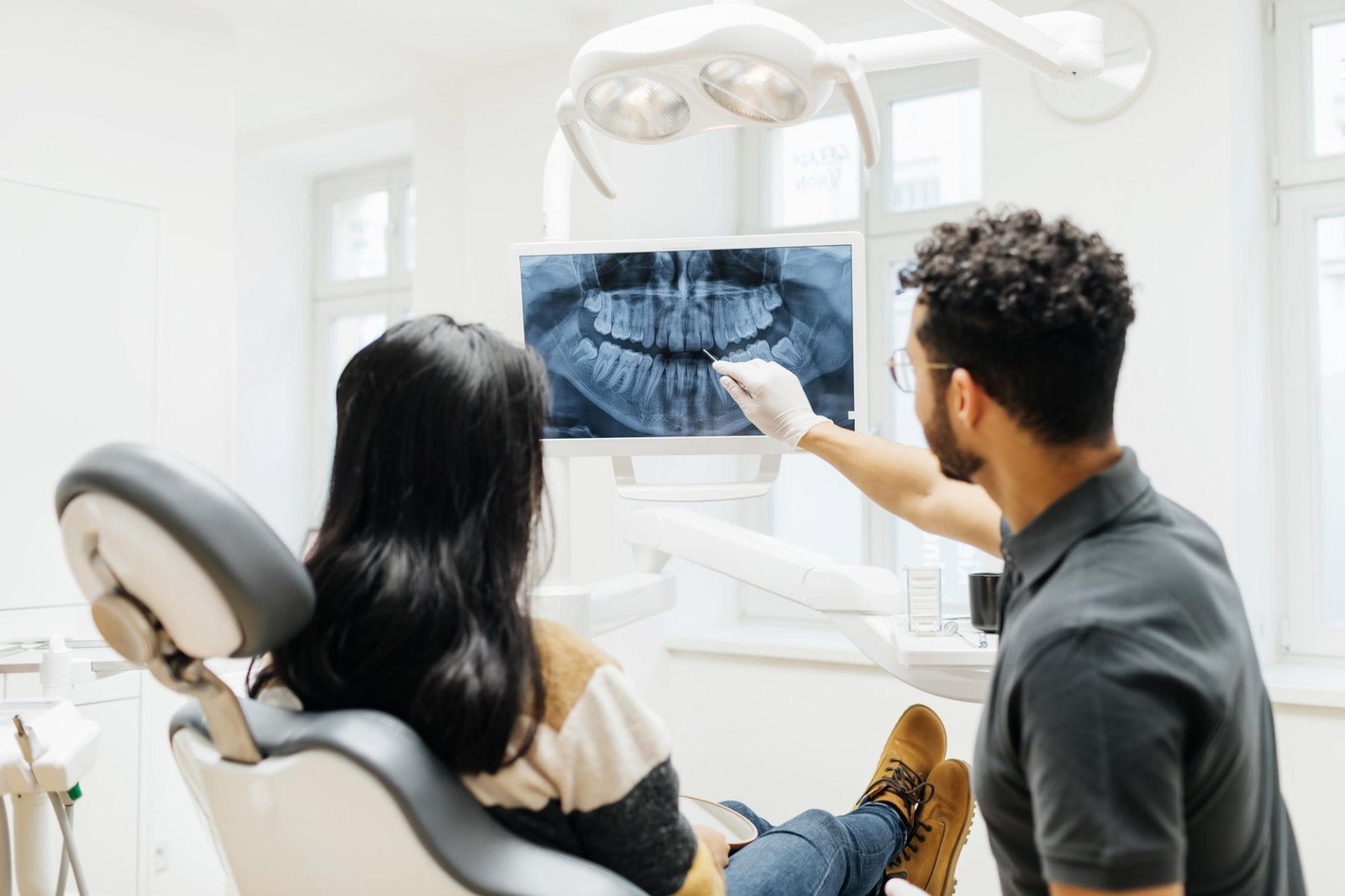
Online estimates can give a general idea, but they cannot replace a clinical evaluation.
A dental professional will:
-
- Examine your teeth, bite, and jaw
-
- Identify any underlying concerns
-
- Recommend suitable treatment options
-
- Provide a personalized cost estimate
This ensures that recommendations are appropriate for your specific needs.
Final Thoughts
The cost of braces in 2026 depends on many factors, including the type of treatment and the complexity of your case. While general ranges can be helpful, the most accurate information comes from a direct consultation.
Understanding what influences cost can help you ask the right questions and feel more confident when exploring your options.
This article is for general educational purposes only. Diagnosis, treatment planning, and cost estimates require an in-person evaluation by a qualified dental professional.
Book your Consultation with Dr. Ramesh Agrawal
If you’re in Toronto or the GTA and have concerns about your or your child’s teeth alignment, our team is here to help.
Take the first step toward a healthier smile today.
 Call us to book your appointment

