

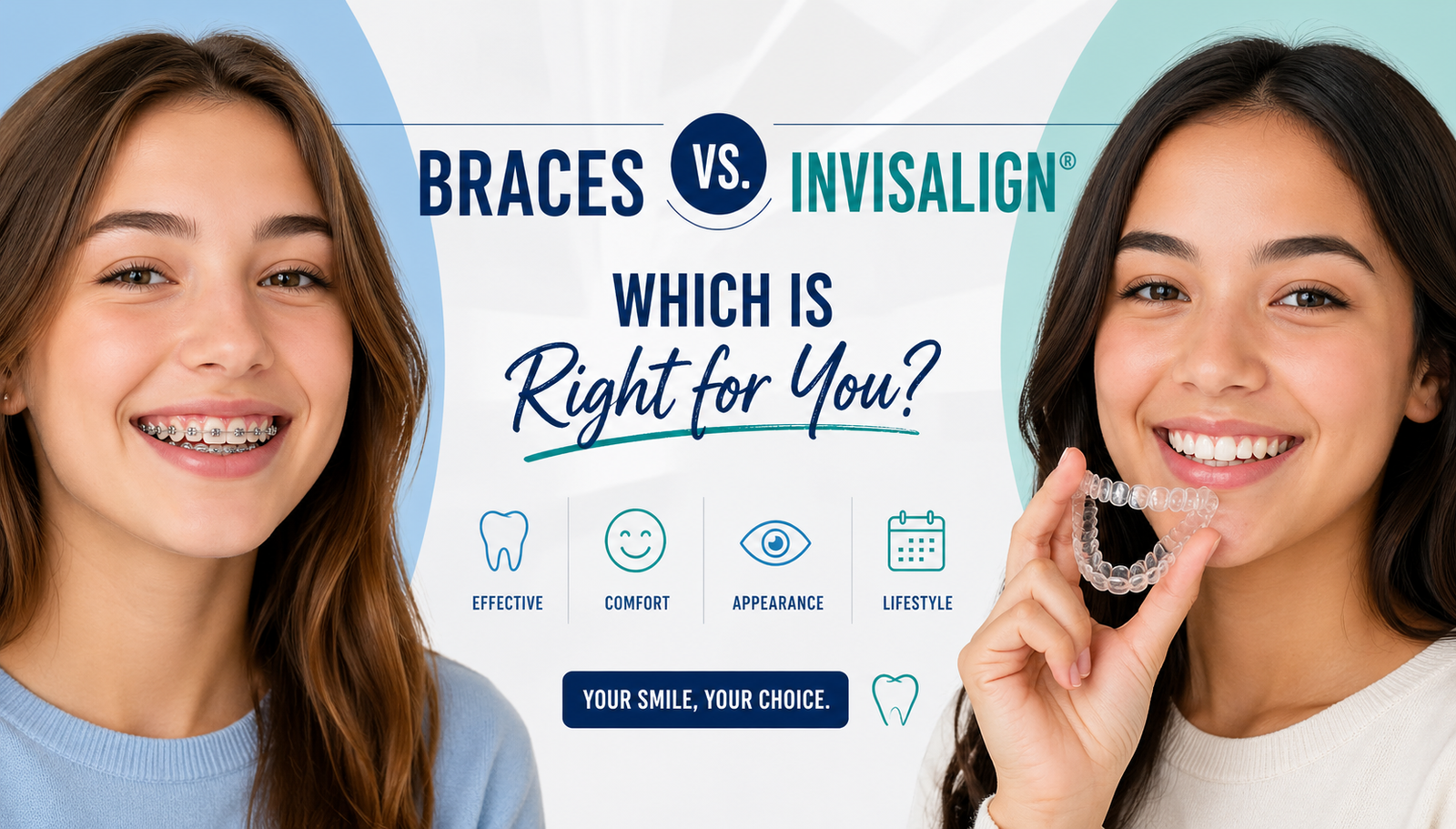
If you’re thinking about straightening your teeth, you’ve probably come across two common options: traditional braces and clear aligners like Invisalign. Both are widely used and supported by dental research—but they work in different ways and may suit different needs.
Instead of asking “which is better,” it’s more useful to understand how each option fits into real life. This guide gives you a clear, practical overview so you know what to expect.
1. How Do These Treatments Actually Work?
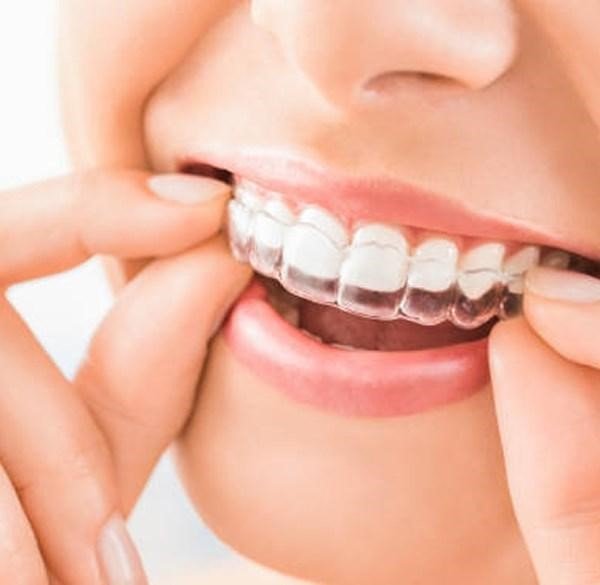
Both methods move teeth gradually using controlled force—but the delivery is different.
Braces:
- Fixed brackets and wires apply continuous pressure
- Adjustments are done in the clinic
- Movement is guided in small, controlled steps
Clear aligners:
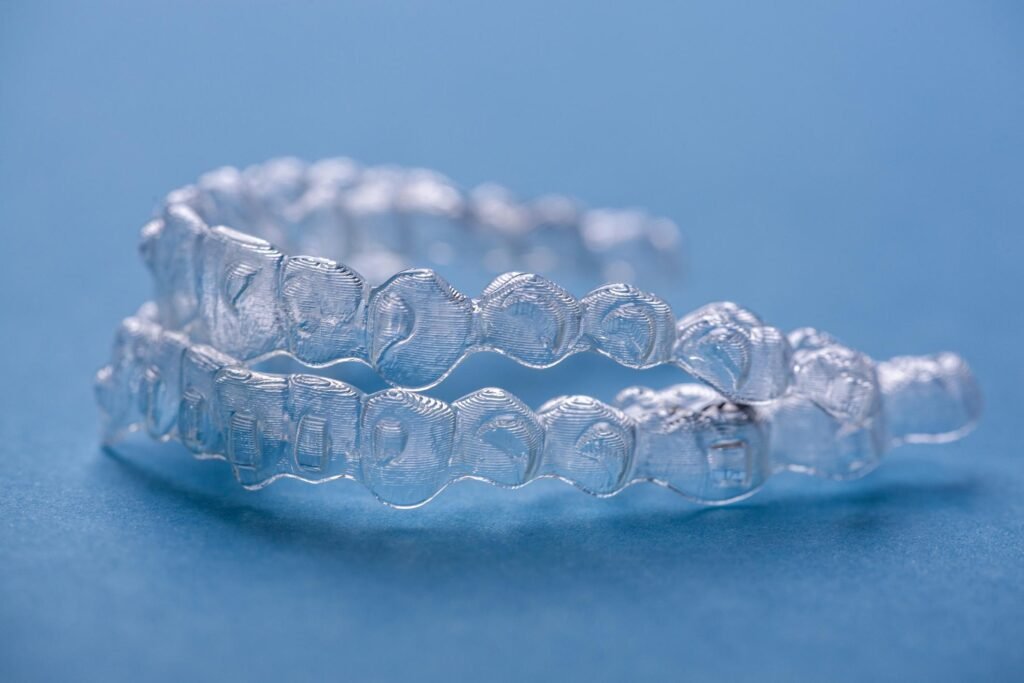
- Series of custom trays shift teeth step-by-step
- Each aligner is slightly different
- Worn for most of the day for effectiveness
2. What Is Day-to-Day Life Like?
The biggest difference often shows up in your daily routine—not just the treatment itself.
With braces:
- Always on your teeth
- Eating habits may need small adjustments
- Cleaning requires more attention around brackets
With clear aligners:
- Removed before meals
- Easier brushing and flossing
- Requires discipline to wear consistently
This choice often comes down to habits and lifestyle, not just dental factors.
3. Appearance and Social Comfort
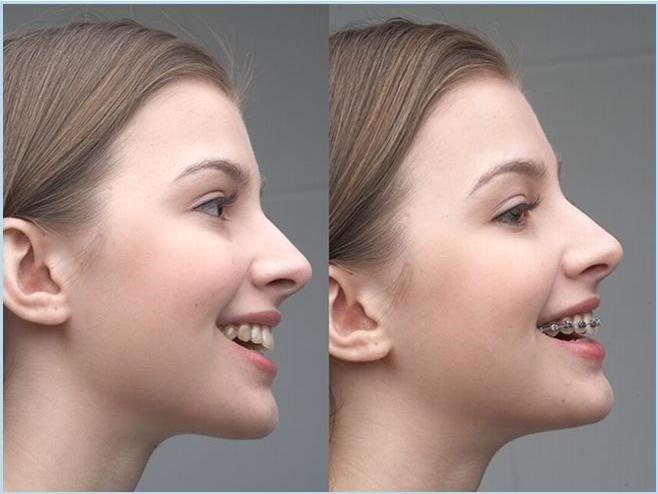
Appearance can matter, especially in work, school, or social environments.
Braces:
- Visible on the teeth
- Some people personalise them with coloured bands
Clear aligners:
- Less noticeable in everyday interactions
- Often preferred for a more subtle look
Comfort with appearance is personal—there’s no single right answer.
4. Suitability for Different Dental Needs
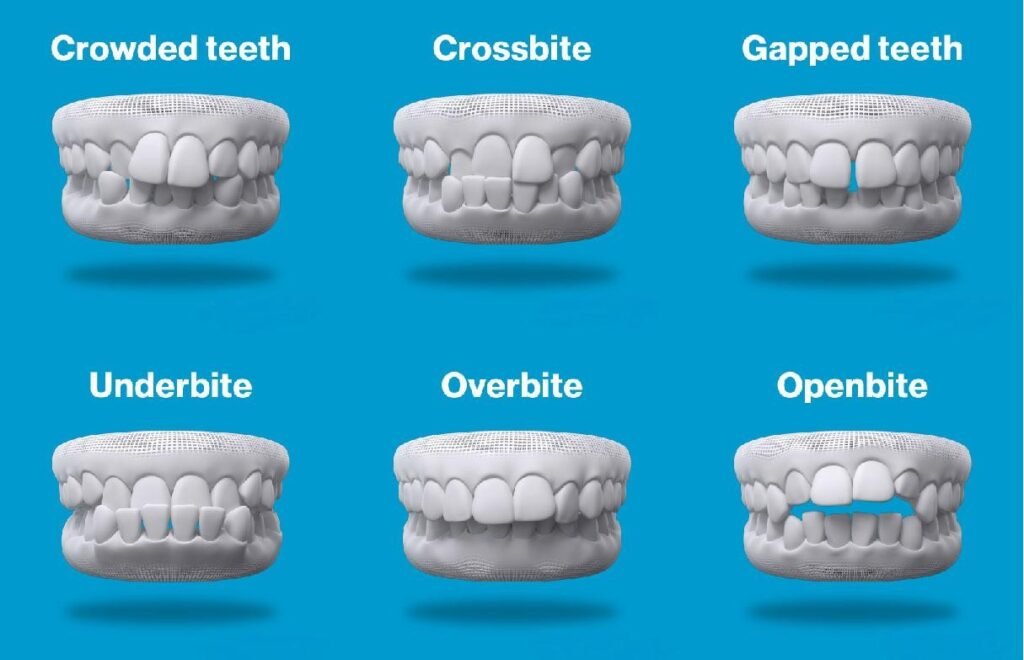
Different types of orthodontic concerns may influence the treatment approach.
Braces may be recommended for:
- Complex bite relationships
- Significant crowding or tooth rotation
- Situations needing precise tooth control
Clear aligners may be considered for:
- Mild to moderate alignment concerns
- Spacing between teeth
- Cases where patient compliance is strong
A clinical evaluation is essential to determine what is appropriate.
5. Making an Informed Decision
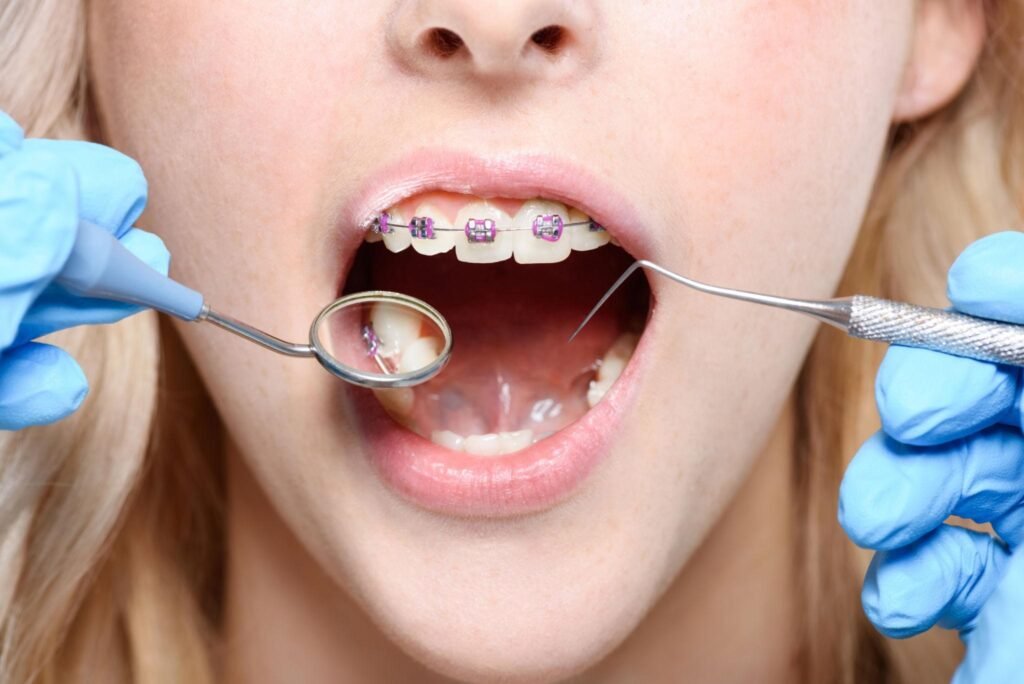
Choosing between options involves more than preference—it’s a clinical decision guided by professional assessment.
A dental professional may consider:
- Alignment and spacing
- Bite function
- Jaw position
- Oral health history
They will also discuss what fits best with your routine and expectations.
Final Thoughts
Both braces and clear aligners are established, evidence-based ways to improve alignment and bite. The difference lies in how they are used, how they feel in daily life, and what they are best suited for.
Understanding these differences can help you feel more confident in your next steps—but the final decision should always be based on an in-person assessment.
This article is for general educational purposes only. Diagnosis and treatment decisions require a clinical examination by a qualified dental professional.
Book Your Consultation with Dr. Ramesh Agrawal
If you’re in Toronto or the GTA and have concerns about your or your child’s teeth alignment, our team is here to help.
Take the first step toward a healthier smile today.
📞 Call us to book your appointment
🌐 Visit our website to schedule online
📍 Conveniently serving Toronto & the Greater Toronto Area