


Starting orthodontic treatment often comes with one common question: Will it hurt? It’s completely normal to feel unsure about what to expect. The good news is that while braces can cause temporary discomfort, most people find it manageable and short-lived.
This guide explains what kind of sensations you might feel, why they happen, and when it may be appropriate to check in with a dental professional. The information is educational and based on established dental knowledge. It does not replace an in-person dental examination.
1. Why Do Braces Cause Discomfort?
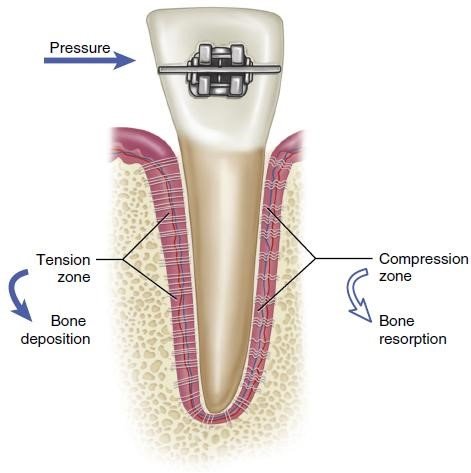
Braces work by applying gentle, continuous pressure to teeth, guiding them into new positions over time.
What’s happening:
- Teeth are slowly moving through the bone
- Surrounding tissues are adapting to the changes
- This natural process can cause mild soreness
This discomfort is usually a sign that the braces are working as intended.
2. When Is Discomfort Most Noticeable?

Not everyone experiences the same level of discomfort, but certain times are more noticeable.
Common situations:
- After braces are first placed: Mild soreness for a few days
- After adjustments: Temporary sensitivity when wires are tightened
- When eating certain foods: Especially hard or chewy items
Most discomfort tends to reduce within a few days as the mouth adjusts.
3. What Does It Feel Like?


People often describe the sensation as pressure rather than sharp pain.
You may notice:
- Tenderness when biting or chewing
- A feeling of pressure on the teeth
- Mild irritation on the inside of cheeks or lips
- Temporary sensitivity to certain foods
These sensations are usually mild to moderate and improve over time.
4. How Can You Stay Comfortable?
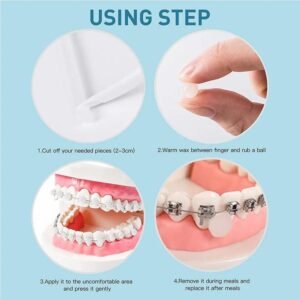

There are simple ways to reduce discomfort while your mouth adjusts.
Helpful tips:
- Eat soft foods (such as yogurt, soups, or mashed foods) during sore periods
- Use orthodontic wax to cover areas that may rub against cheeks
- Rinse with lukewarm salt water if recommended by a dental professional
- Maintain gentle but thorough oral hygiene
If needed, a dentist may advise appropriate over-the-counter options based on your situation.
5. When Should You Contact a Dental Professional?

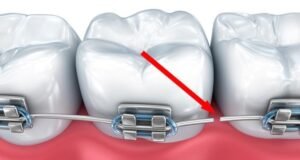
While mild discomfort is expected, certain situations may need attention.
Consider contacting your dental provider if you experience:
- Persistent or severe pain that does not improve
- A broken wire or bracket causing irritation
- Difficulty eating or speaking beyond the adjustment period
- Swelling or unusual changes in your mouth
A professional can assess the issue and recommend appropriate care.
Final Thoughts
Braces may cause temporary discomfort, especially in the early stages or after adjustments, but this is typically part of the natural process of tooth movement. Most patients adapt quickly, and the sensations become easier to manage over time.
Regular dental visits are important to monitor progress and ensure everything is functioning properly. If you have concerns at any stage, a qualified dental professional can provide guidance tailored to your needs.
This article is intended for general educational purposes only. Diagnosis and treatment decisions require an in-person clinical examination.
Book Your Consultation with Dr. Ramesh Agrawal
If you’re in Toronto or the GTA and have concerns about your or your child’s teeth alignment, our team is here to help.
Take the first step toward a healthier smile today.
📞 Call us to book your appointment
🌐 Visit our website to schedule online
📍 Conveniently serving Toronto & the Greater Toronto Area